
How To Deal With Hair Loss In English Bulldogs?

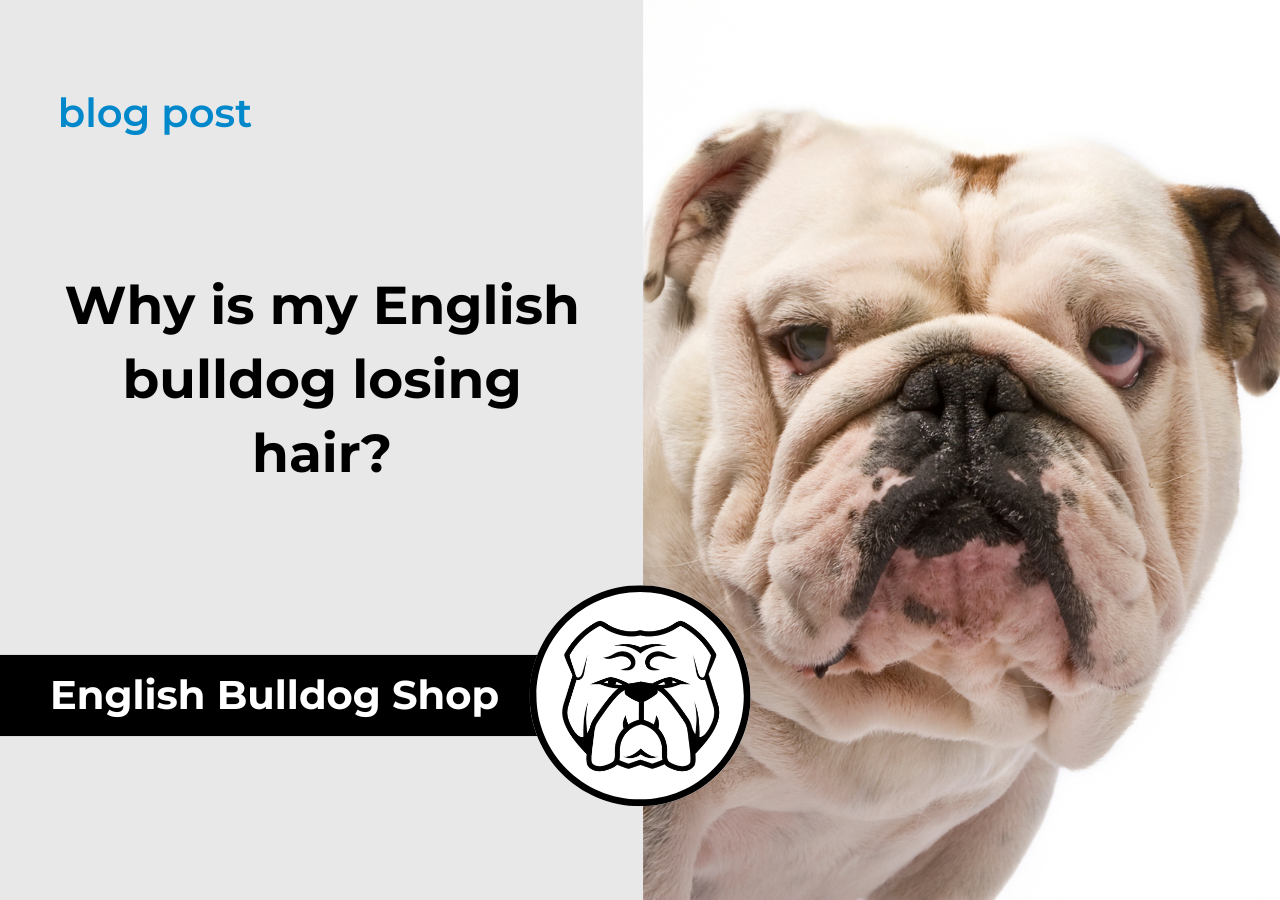
Hair loss in English Bulldogs can be a concerning sign for any pet owner. This condition, technically known as alopecia, can vary widely in severity and underlying causes. It’s important to understand that while hair loss can be a normal part of aging in some dogs, it can also indicate health issues that require attention.

Common Causes of Hair Loss in English Bulldogs
English Bulldogs are particularly susceptible to certain health issues that can lead to hair loss. These causes can be broadly categorized into genetic factors, environmental influences, and parasitic infections.
Below is a quick rundown of common causes of hair loss in Bulldogs:
- Seasonal Flank Alopecia – A breed-specific form of alopecia that causes hairless patches on the sides (flanks), usually in fall/winter. It’s painless and the dog won’t scratch these spots.
- Allergies & Dermatitis – Bulldog allergies (food or environmental) often cause itchy dermatitis. Look for scratching, red skin, and hair loss in affected areas. Even the chin can lose hair from facial fold dermatitis.
- Parasites – Fleas and mange mites cause intense itching and spotty fur loss. You’ll often see scabs or “moth-eaten” patches if parasites are to blame.
- Infections (Bacterial/Yeast) – Secondary infections from scratching can make dogs lose hair. Bacterial skin infections usually come with pustules, crusts, odor and redness. Yeast (Malassezia) infections cause greasy, dark patches and itching.
- Genetic/Hormonal – Some bulldogs inherit thin coats. Hormonal issues like Cushing’s or thyroid problems also cause coat thinning over time. A vet can test blood levels if you suspect this.
For more detail on Bulldog skin troubles (from hot spots to folds and allergies), check out our Common English Bulldog Skin Problems blog. It covers many of these issues in depth.
Symptoms That Show You That Your Bulldog is Dealing With Hair Loss
When it comes to understanding the health of your English Bulldog, especially in terms of potential hair loss, being aware of the various symptoms is crucial. Here are the key signs and symptoms that you should monitor:
-
Excessive Shedding:
While some shedding is normal, watch for an increase in the amount of hair your Bulldog is losing. Excessive shedding can be a preliminary sign of hair loss issues.

- Bald Spots:
One of the most noticeable symptoms is the appearance of bald patches or spots on your Bulldog’s coat. These areas may look sparse or completely devoid of hair.
-
Dry, Flaky Skin:
Check if your Bulldog’s skin appears drier than usual or if there are flakes present. This could indicate dermatitis, which often leads to hair loss.
-
Skin Redness or Inflammation:
Any signs of redness, swelling, or inflammation on the skin can be a symptom of an underlying issue causing hair loss.
-
Itchiness and Scratching:
If your Bulldog is constantly scratching or biting at their fur, it’s a clear sign of discomfort. This behavior can exacerbate hair loss as they may pull out fur in the process.
-
Changes in Coat Texture:
A change in the texture of your Bulldog’s coat, such as it becoming coarse or brittle, can be a symptom of nutritional deficiencies or health issues that may lead to hair loss.
-
Odor from Skin:
An unusual or foul odor emanating from your Bulldog’s skin can indicate infections that could be contributing to hair loss.
-
Lesions or Sores:
The presence of sores or lesions on the skin, especially those that do not heal or worsen over time, should be a cause for concern.
-
Lethargy or Decreased Appetite:
While these symptoms can be indicative of many different health issues, they are often observed in conjunction with severe or chronic hair loss conditions.
-
Behavioral Changes:
Any sudden or unusual behavioral changes, such as increased irritability or anxiety, might be related to the discomfort caused by skin issues or hair loss.
Seasonal Flank Alopecia vs. Other Hair Loss Causes
Bulldog owners often notice a seasonal pattern: hair on the sides falls out around fall or winter and regrows by spring. This is known as seasonal flank alopecia. In this case, both sides of the body get symmetrical bald patches, and the skin under the hair can turn a darker color. Crucially, dogs with seasonal alopecia usually feel fine – the bald areas aren’t itchy or painful.
Seasonal flank alopecia in Bulldogs happens most often between November and March when daylight is shorter. It’s mostly cosmetic, and hair often regrows on its own after a few months.
How can you tell this apart from more worrisome causes? In seasonal alopecia, the pattern is very regular and no redness or odor is involved. In contrast, infections or allergies will show other clues. For instance, an infection usually causes itching, redness or pus. A foul smell and greasy coat often means a yeast or bacterial infection.
Flea bites or hot spots will be itchy and scabby rather than nicely bald patches. In short: itchy, smelly, painful lesions point to infection/allergy, whereas silent, symmetrical baldness points to seasonal alopecia. This distinction is important, because it changes how you treat it.
So: if your Bulldog has seasonal flank alopecia (often in winter), treatment is usually minimal. Most vets recommend just waiting it out or supplementing with melatonin pills or sunlight exposure. Extra light often helps hair regrow in seasonal alopecia. If you’re Googling “how to treat seasonal alopecia in bulldogs”, the gist is: give your bulldog plenty of bright light (even natural sunlight) and maintain a healthy routine.
Many dogs improve when spring comes. Some owners do try melatonin (under vet advice) by giving small doses a month before winter to “tell” the body to grow coat, but results vary. In contrast, treating non-seasonal hair loss (like from infection or allergies) requires targeting the cause – for example, meds for parasites or allergy management.
Diagnosing Hair Loss in English Bulldogs
Getting to the bottom of why your English Bulldog is losing hair usually involves a trip to the vet. A proper diagnosis is essential to treating this condition effectively.
What to Expect at the Vet
When you bring your Bulldog to the vet for hair loss, the vet will likely conduct a thorough physical examination, which may include skin scrapings, blood tests, and possibly a biopsy. These tests help to determine the exact cause of the hair loss, whether it’s due to parasites, hormonal imbalances, or autoimmune diseases.
Common Diagnoses for Bulldog Hair Loss
Some of the most common diagnoses related to hair loss in Bulldogs include:
- Dermatitis: Often caused by allergies, irritants, or parasites.
- Hypothyroidism: A condition where the thyroid gland doesn’t produce enough hormones, leading to various symptoms including hair loss.
- Cushing’s Disease: Overproduction of cortisol by the adrenal glands can also lead to thinning hair.
Home Care & Grooming Tips for Hair Loss in Bulldogs
Even if the cause is medical, diligent home care can make a big difference in your Bulldog’s skin and coat. Here are some tips and “home remedies” to help:
-
Grooming & Brushes:
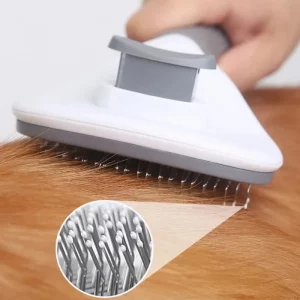
Bulldogs have short coats, but they still benefit from regular brushing. A weekly session with a good soft bristle or self-cleaning dog brush will whisk away dead hair and spread natural skin oils. This prevents trapped fur and helps the new fur grow in smoothly. (We sell a self-cleaning English Bulldog brush that many owners find helpful for collecting hair.)
-
Bathing & Shampoos:
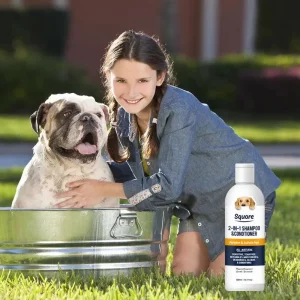
Bathe your bulldog only about every 6–8 weeks (too-frequent baths can dry the skin). Use a gentle, dog-specific shampoo – ideally hypoallergenic or oatmeal-based – to soothe the skin. Bulldogs have sensitive skin, so pick a shampoo made for them (or at least one that’s free of harsh soaps and fragrances). Look for products with moisturizing ingredients. For example, coconut oil is famous for soothing irritated skin. In fact, some 2-in-1 Bulldog shampoos contain coconut oil specifically for its anti-itch, hydrating properties. After bathing, dry your Bulldog thoroughly (especially between skin folds) to prevent moisture buildup.
-
Wrinkle and Fold Care:
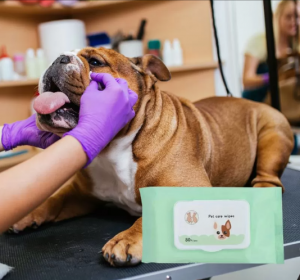
Clean your Bulldog’s wrinkles and folds every day or two with a damp cloth or pet-safe wipe. Bulldogs get yeast and bacterial infections in those damp creases if they stay dirty. Gently wipe the skin behind the face folds, neck folds, and tail fold, then dry well. (Our English Bulldog Wrinkle Cleaning Wipes are alcohol-free and safe for this.) Keeping folds clean prevents one big cause of hair loss – intertrigo – which often leads to baldness and odor in fold areas.
-
Topical Soothers:
For minor skin irritation, you can apply natural products like pure aloe vera gel or diluted coconut oil to affected patches to calm redness. Some owners use a diluted apple cider vinegar rinse (50/50 with water) on the coat to create a skin barrier. Be cautious with human products: only use pet-safe, diluted formulas. Always check with your vet before using any new treatment.
-
Sunlight:
If seasonal alopecia is an issue, simple sunlight may help. Let your Bulldog sunbathe (safely!) or keep curtains open on sunny days – increased light exposure can encourage regrowth in winter-blues skin.
-
Supplements and Diet:
Good nutrition supports coat health. Switch to a high-quality diet. Consider a limited-ingredient or hypoallergenic formula if you suspect food allergies. Adding omega-3 fish oil and vitamin E to the diet can improve skin and coat quality over time. Probiotics or fish oil supplements marketed for Bulldogs are widely used (check with your vet for proper dosage). Avoid fillers and allergens in their food – many bulldog owners report that removing common culprits (chicken, wheat, dairy) reduces skin flares.
-
Environment:
Keep fleas and ticks away with year-round prevention. Even one bite from a flea can trigger hair loss in a sensitive bulldog. Vacuum and wash bedding regularly. If dust mites or pollen are triggers, run a HEPA air filter. Reduce stress (Bulldogs can “stress-lick” fur away, too), and keep the skin dry after walking (pat down or wipe off any dampness).
For more on general bulldog care, see our blog posts. For example, our Boxer vs English Bulldog grooming guide emphasizes wrinkle cleaning and gentle bathing. And if your bulldog has hot, red patches (hot spots) from constant scratching, check out our Bulldog Hot Spots: Cause, Treatment & More article – it covers how to soothe those areas safely.
How often should I bathe my English Bulldog if they are experiencing hair loss?
Do not over-bathe as this can strip the skin of essential oils. Depending on the cause of hair loss, your vet may recommend a specific bathing schedule.
Is hair loss in Bulldogs reversible?
Depending on the cause, hair loss can be reversible. With proper treatment and care, you can see improvement in your dog’s coat condition.
What should I do if treatments aren’t working?
If your Bulldog’s hair loss does not improve with treatment, a reevaluation by your vet might be necessary to adjust the treatment plan or diagnose another underlying issue.
Dealing With Hair Loss In English Bulldogs: Conclusion
Understanding the causes of hair loss and addressing them with proper care and medical attention is key to managing this common issue in English Bulldogs. By taking an active role in your dog’s health and staying attentive to signs of hair loss, you can help ensure your pet remains comfortable and healthy. Remember, your proactive measures make a significant difference in the quality of life for your English Bulldog.



 English Bulldog Jackets & Coats
 English Bulldog Hoodies
 English Bulldog Sweaters
 English Bulldog Life Jackets
 English Bulldog Costumes
 English Bulldog Shirts