
Bulldogs and Babies: How to Introduce a Bulldog to a Baby

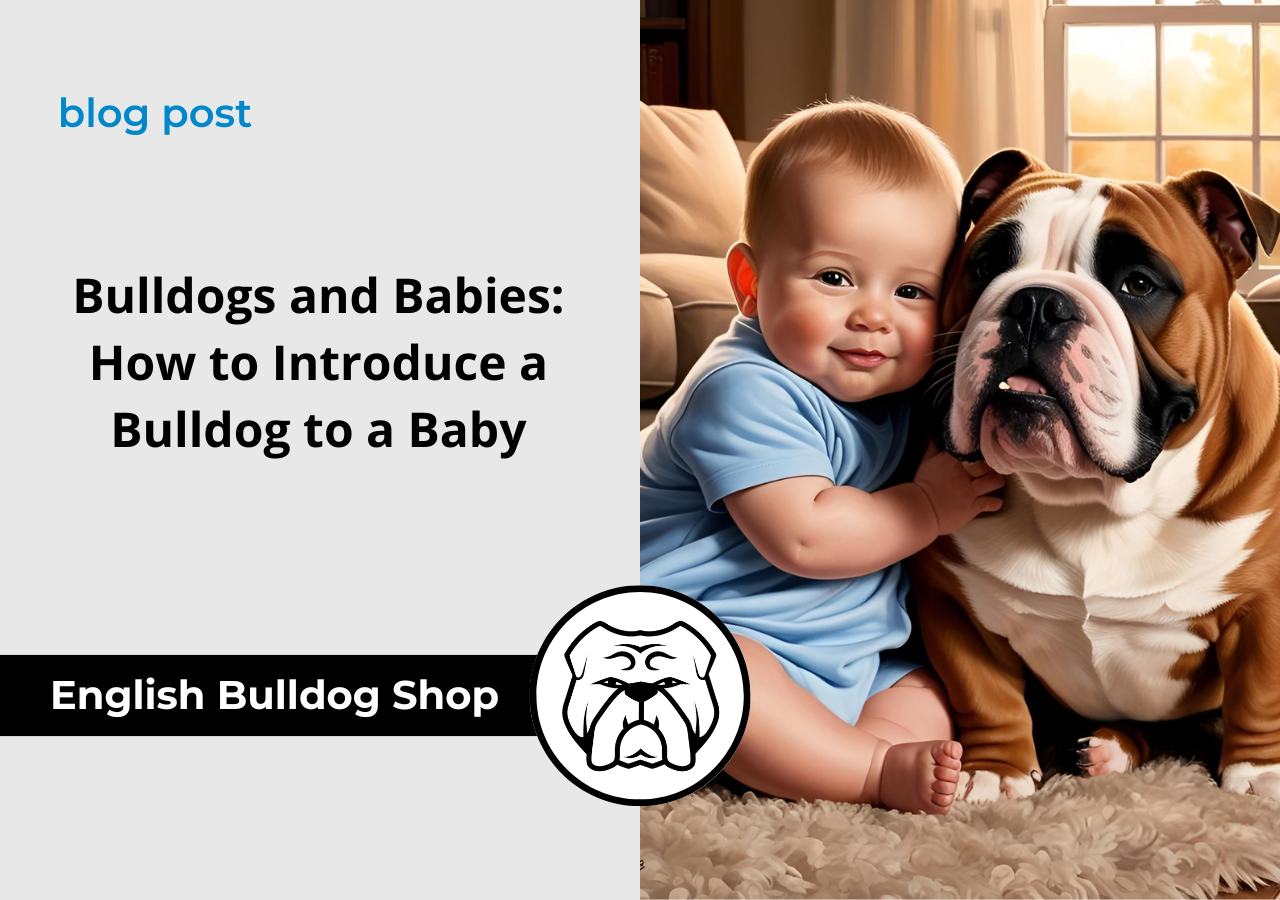
Bringing home a new baby is exciting, but if you have an English Bulldog at home, you might be a bit nervous. How will your bulldog react to the newest (and tiniest) family member? Don’t worry — bulldogs and babies can become the best of friends with the right approach. I learned this firsthand with my bulldog, Daisy, when we introduced her to our infant son. In this guide, I’ll share expert-backed tips on how to introduce a bulldog to a baby safely. With patience, training, and a lot of love, your English bulldogs and babies can live in harmony.

Are Bulldogs Gentle to Kids and Babies?
English Bulldogs are famous for their gentle, easygoing temperament. These stocky, wrinkled pups often form unique bonds with children, showing surprising patience and tolerance. In my experience, Daisy turned out to be a big softie around our little one — she would quietly sit by the crib as if standing guard. Generally, bulldogs and kids of all ages get along well when the dog is properly socialized and the interactions are supervised.
Bulldogs can be very gentle and even let babies snuggle up with them when they feel comfortable and safe. That said, every dog has its own personality. Bulldogs can be a bit stubborn at times, and they’re also very strong.
An excited bulldog might accidentally bump or knock over a toddler simply due to their solid build. Also, bulldogs have short snouts and can have breathing issues if they get too worked up during play.
That is one more reason why you should always supervise bulldog–baby time so that everyone stays safe. With common-sense precautions and positive training, most English bulldogs are incredibly gentle with kids (yes, even infants!). As Daisy showed us, a well-trained bulldog can be both a protective guardian and a snuggly companion for a child.

Safety First: Preparing Your Bulldog for the Baby
Before you even introduce your bulldog to the newborn, set the stage for success. Preparation is key to keep both bulldogs and babies safe and happy. Here are some safety steps to get your pup ready:
Refresh obedience training:
Make sure your bulldog knows basic commands like sit, stay, down, and leave it. Teaching a cue like “gentle” can help your dog learn to remain calm around the baby. A well-trained bulldog is easier to manage and less likely to accidentally hurt a child.
Introduce baby sights and sounds:
Get your dog used to baby-related stimuli ahead of time. For example, play recordings of a baby crying or giggling so those new noises aren’t startling. Let your bulldog sniff around the baby’s nursery as you set it up, so the new furniture and smells become familiar. These small preparations help your pup see the baby as a normal part of the home.
Use baby scents:
Dogs experience the world through smell. Try bringing home a blanket or piece of clothing with the baby’s scent (from the hospital) before the baby arrives. Let your bulldog sniff it to become familiar with the new family member’s smell. When we did this with Daisy, she sniffed our son’s little hat, which eased our worries.
Set boundaries early:
Decide on dog-free zones (like maybe the nursery or the baby’s play mat) and establish them in advance. If you plan to keep the bulldog off the nursery furniture or away from the crib, start reinforcing that rule now. Baby gates can be useful to section off areas. Also, prepare a safe space for your bulldog — a comfy crate or bed in a quiet area — where they can retreat when they need a break. This gives your pup a sense of security and prevents unwanted close encounters when you can’t directly supervise.
Keep your bulldog’s routine as normal as possible:
Sudden changes can stress dogs out. Try to keep feeding, walks, and playtime on a regular schedule even after the baby comes. You might enlist a family member or dog walker to help if you’re overwhelmed with newborn duties. Maintaining your bulldog’s exercise and play routine will burn off energy and reduce jealousy. (A tired dog is a good dog!)

Step-by-Step: How to Introduce a Bulldog to a Baby
When it’s time for the first face-to-face meeting, planning a calm introduction is crucial. I was a bit anxious myself, but taking it slow with Daisy really paid off.
A calm, supervised introduction: an English Bulldog gently checks out a sleeping newborn. In the image above, notice how the bulldog is calmly observing the baby from a comfortable distance. That’s the kind of gentle interaction you want to aim for. Now, let’s break down the introduction into manageable steps:
1. Tire out your dog first.
Before the introduction, help your bulldog burn off some energy. Take them for a nice walk or play a game of fetch so they’re not hyper when the baby comes home. Experts recommend making sure your pup is calm (even a little tuckered out) before meeting the baby. A relaxed bulldog will be less likely to jump or get overly excited.
2. Let your bulldog smell the baby’s scent.
If you haven’t already, allow your dog to sniff a blanket or article of clothing that the baby has used. This way the scent isn’t brand new to them. When we arrived home, we first greeted Daisy without the baby in the room, then let her investigate the baby’s blanket for a minute. Her nose went into overdrive! Once she seemed curious and calm, we knew she was ready to meet her little “sibling.”
3. Make the first meeting calm and positive.
Choose a quiet room for the introduction, free of distractions. Have one adult securely hold the baby while another adult manages the dog. Allow your bulldog to approach slowly and sniff the baby from a slight distance at first. Keep a leash on your dog if you’re unsure of their reaction, but keep it loose to avoid transmitting any tension. Speak in a soothing, happy tone to both the dog and the baby. Dogs take cues from your voice, so staying calm and upbeat helps them feel everything is okay.
4. Reward gentle behavior.
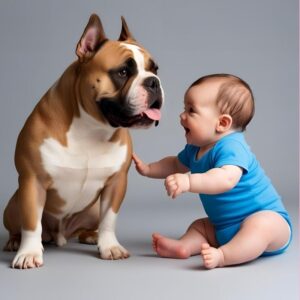
As your bulldog interacts calmly (for example, sitting nicely or gently sniffing the baby), praise them and offer a small treat. This creates a positive association — baby equals good things! If your pup gets too excited or tries to jump, calmly redirect their attention (“sit” -> treat). Avoid scolding, since you want the dog to view the baby as a positive experience. Using positive reinforcement is highly effective in teaching dogs how to behave around infants.
5. Keep it short, then build up gradually.
End the first meeting on a good note after just a few minutes. It’s better to stop while things are calm and positive rather than push your dog’s limits. Praise your pup for being gentle and give a treat, then let them take a break. Over the next few days, continue with short, supervised meet-ups and slowly increase their time together as your bulldog becomes more comfortable. Watch your dog’s body language and go at their pace — if they seem stressed or anxious, take a break and try again later. With consistency, your bulldog will learn that the baby is part of the family. (And no matter how well things go, never leave the dog and baby alone together.)
Common Concerns About Bulldogs and Babies
Even with careful preparation, it’s normal to have some worries. Here are a few common concerns new parents often have, and how to handle them:
- “What if my bulldog gets jealous of the new baby?” It’s common for dogs to feel a bit left out when a newborn arrives and suddenly they get less attention. To prevent jealousy, involve your bulldog in baby time when you can — under supervision, of course. For instance, let your dog sit beside you (not on you!) during feeding or story time so they feel included. Give your pup plenty of affection when the baby is around, not just when the baby is asleep. Also make a point to spend one-on-one time with your bulldog daily, even if it’s just a special 10-minute play session.

- “Can my bulldog accidentally hurt my baby?” Bulldogs are strong and stocky, and they don’t always know their own strength. A bulldog who means well might knock into a crawling baby or plop next to them a little too hard. This is why supervision is crucial. Teach your bulldog to be gentle and lie down around the baby. You can physically guide your dog into a down-stay when the baby is on the floor, so they learn that flopping near the infant is not allowed. As your baby grows into a toddler, make sure to teach them to be gentle with the bulldog too! No ear-pulling or climbing on the dog. Both the baby and the dog need to learn boundaries. With training on both sides (dog and child), the risk of accidents will be minimal.
- “How do I handle bulldog slobber and hygiene?” Bulldogs can be champion droolers. It’s inevitable that at some point your dog might lick the baby’s face or drop a little slobber on them — try not to panic. A bit of dog slobber on healthy skin usually isn’t harmful (some would even say it builds the immune system!). Simply keep a clean cloth handy to wipe your baby or your dog as needed. Of course, never let your dog lick an open wound on the baby, and keep both pet and baby clean. If you have concerns about allergies, talk to your pediatrician. In most cases, basic hygiene and regular bathing of your bulldog will keep things perfectly fine.
Living With Bulldogs and Babies: Wrapping Up
Introducing an English Bulldog to a new baby is a process that takes preparation and patience. In time, bulldogs and babies can become inseparable buddies. Remember to start with a well-trained, calm bulldog, supervise all interactions, and use positive reinforcement to encourage gentle behavior. By following the safety steps and introduction tips above, you’ll set the foundation for a beautiful friendship between your bulldog and your child. Enjoy the journey of watching your baby and your bully become best friends!





 English Bulldog Jackets & Coats
 English Bulldog Hoodies
 English Bulldog Sweaters
 English Bulldog Life Jackets
 English Bulldog Costumes
 English Bulldog Shirts