
English Bulldog Foods To Avoid: Ingredients Are Toxic To Bulldogs

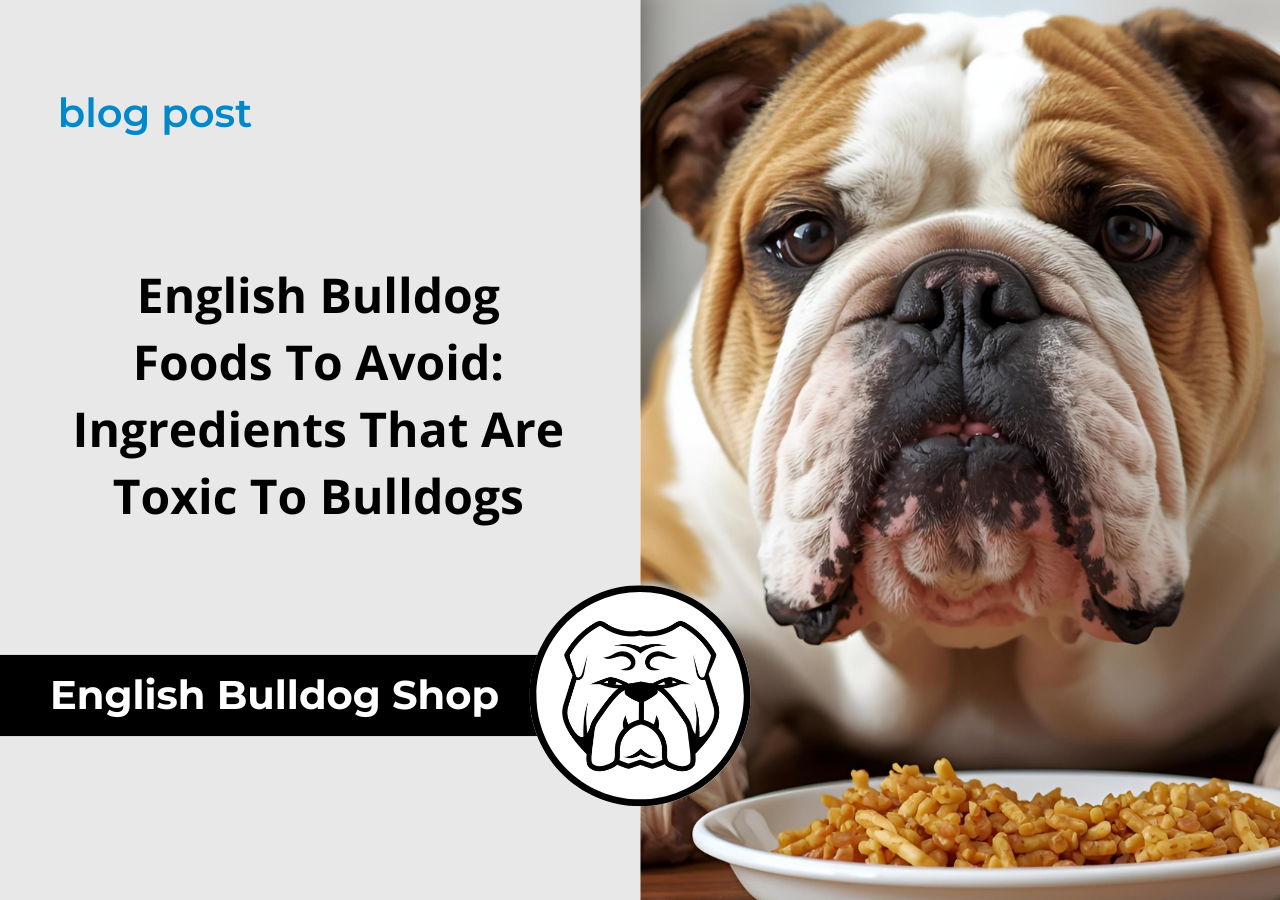
As a new English Bulldog owner, you’ll quickly learn that these dogs are total foodies. Watching your bulldog eating with that big goofy grin is heartwarming, but not everything on your plate is safe to share. In fact, many common human snacks are toxic foods for bulldogs and can cause serious health scares. A bulldog’s eager appetite means they might gulp down harmful foods without hesitation. Therefore, it’s crucial to know what to keep out of their reach. Let’s check what the most important English Bulldog foods to avoid are.
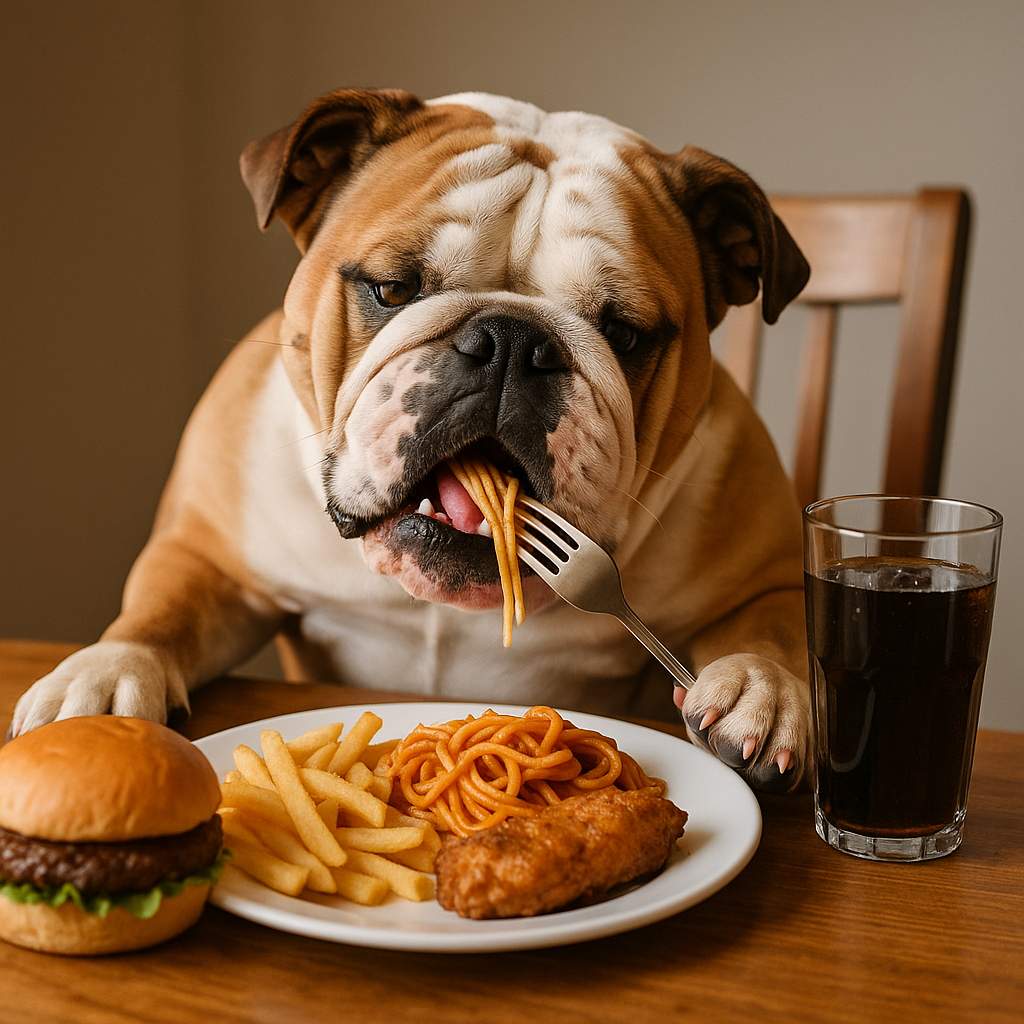
Common Human Foods That Are Toxic to Bulldogs
Some foods are well-known hazards for all dogs, including English Bulldogs. Even small amounts of these can make your dog very sick. So, next time you see your little gremlin staring Always avoid giving your bulldog these toxic treats:
1. Chocolate (and Caffeine)
Chocolate is a major no-no for dogs. It contains theobromine and caffeine, stimulants that dogs cannot metabolize properly. Eating chocolate can cause vomiting, diarrhea, tremors, seizures, and even heart problems in bulldogs. Dark chocolate and cocoa powder are the most dangerous due to higher theobromine levels. Similarly, keep coffee, tea, and caffeinated sodas out of reach of your pup. Even a few licks of a latte or energy drink can lead to restlessness, rapid breathing, or worse in a bulldog’s system. In short, no mocha frappes for Fido!
2. Grapes and Raisins
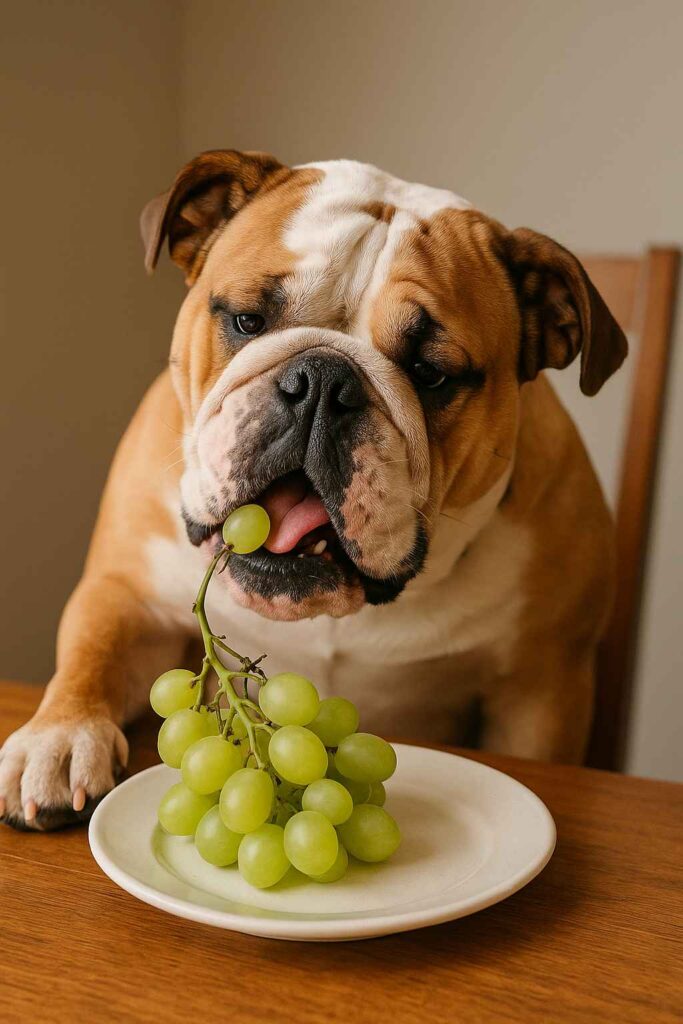
It might surprise you, but grapes (and their dried form, raisins) are extremely toxic to dogs. A single grape can be a dangerous food for English Bulldog puppies and adults. It can cause serious kidney failure.
What’s scary is that the exact toxic substance in grapes is still unknown. Some dogs have fallen ill from one grape, while others might eat a few with no immediate effect. Because there’s no “safe” amount, never share grapes, raisins, currants, or foods like trail mix and raisin bread with your bulldog. Early signs of grape poisoning include vomiting, lethargy, and loss of appetite. Without prompt treatment, kidney damage can be fatal.
3. Onions and Garlic
These kitchen staples (along with related veggies like chives and leeks) contain organosulfoxides that destroy a dog’s red blood cells.
Ingesting onion or garlic (raw, cooked, or powdered) can lead to hemolytic anemia. It’s a serious condition where the dog becomes weak, lethargic, and may have trouble breathing due to a lack of healthy red blood cells.
All forms are dangerous: that means onion rings, garlic bread, soup broth with onion, or even a piece of steak seasoned with onion/garlic powder. Garlic is actually even more potent than onions in its toxic effects on dogs. So, keep that flavorful stew and those savory leftovers away from your bulldog’s bowl.
4. Xylitol (Artificial Sweetener)
Xylitol is a sugar substitute found in sugar-free gum, candies, some peanut butter, baked goods, and even toothpaste.
It is incredibly toxic to dogs, causing a rapid insulin release that leads to life-threatening low blood sugar and potential liver failure. A bulldog that swallows something with xylitol could start vomiting, lose coordination, have seizures, or collapse within minutes.
Always check ingredient labels for xylitol in anything your dog might get into. Even some “healthy” snacks or nut butters can hide this sweetener.
By steering clear of the above items, you’ll avoid the most common canine toxins. Next, let’s look at a few lesser-known foods that are dangerous for English Bulldogs – these might surprise you!
Surprising Foods and Ingredients That Can Harm Bulldogs
New bulldog owners are often shocked to learn that some everyday foods or ingredients can spell trouble for their pups. We’ve covered the infamous ones like chocolate, grapes, and onions, but here are more dangerous foods for English Bulldogs that you should keep off the menu:
1. Macadamia Nuts
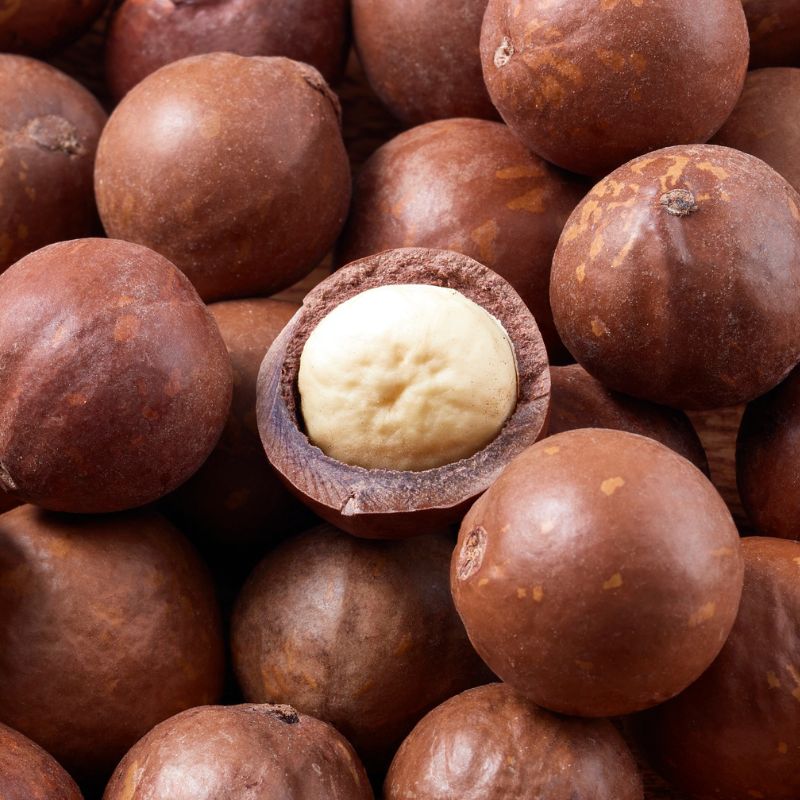
While many nuts (almonds, walnuts, etc.) aren’t great for dogs due to fat content, macadamia nuts stand out as especially toxic.
Dogs are the only species known to have severe reactions to macadamias. Even a few nuts can cause weakness, vomiting, tremors, fever, and hind-leg paralysis in your bulldog within hours.
The good news is these symptoms, though nasty, are usually non-fatal and tend to pass in a day or two with vet care. However, the high fat in macadamias can also trigger pancreatitis (painful inflammation of the pancreas) in bulldogs. Keep macadamia nuts and any cookies or candies containing them far away from your dog.
2. Avocado
This trendy fruit is healthy for humans, but not so much for our four-legged friends. Avocados contain a fungicidal toxin called persin in their leaves, skin, and pit – and in smaller amounts in the flesh. Bulldogs are more resistant to persin than some animals (like birds or horses), but it can still upset their stomach and cause vomiting or diarrhea.
More worrisome is the avocado pit. It’s just the right size to get lodged in a bulldog’s intestines, potentially requiring emergency surgery. Plus, avocados are high in fat, which isn’t ideal for a breed prone to weight gain. It’s best to play it safe and not let your bulldog eat avocados or guacamole (also because guac often contains onions!).
3. Apple Cores and Fruit Pits
Sharing a few apple slices with your bulldog is fine – many dogs love them – but never give the core or seeds. Apple seeds (and the centers of related fruits like pears, peaches, and cherries) contain cyanogenic glycosides – better known as cyanide.
A few seeds won’t usually poison a dog outright, but why risk it? Larger quantities can cause breathing problems, shock, or even seizures in dogs.
Always remove any seeds and pits from fruits before your pup gets a bite. And if your bulldog dumpster-dives for that apple core you tossed, keep an eye on them for any odd symptoms or contact your vet.
4. Raw Yeast Dough
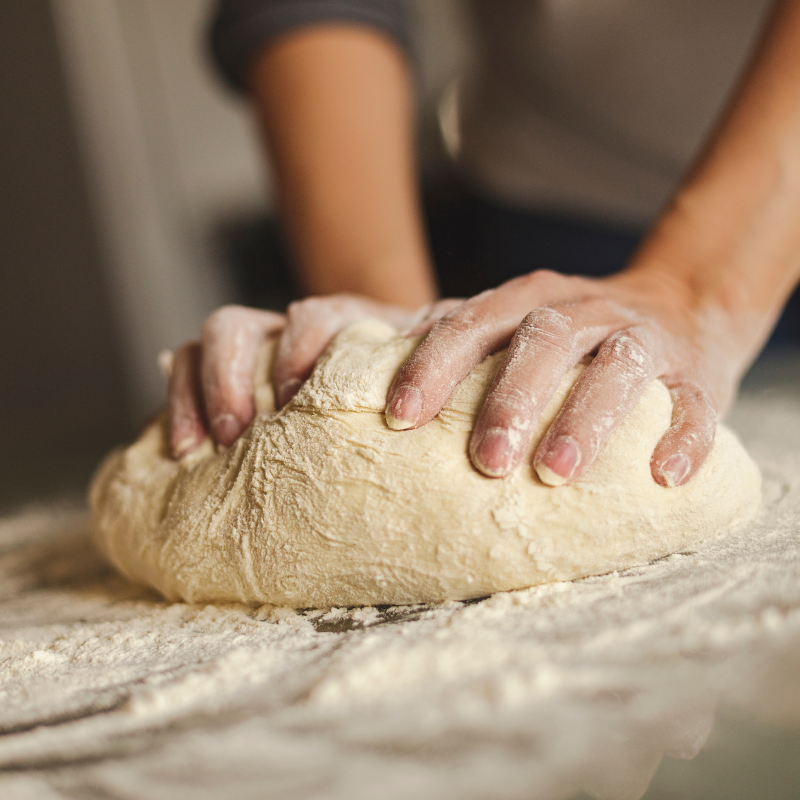
If you’re a home baker, be cautious about rising dough. Raw bread dough can expand inside a dog’s warm stomach, causing painful bloating and even a ruptured stomach or intestines.
The fermenting yeast also produces alcohol and carbon dioxide gas as byproducts, which can lead to alcohol toxicity in addition to physical bloat. Bulldogs already have sensitive tummies, so this is double trouble.
Keep the rising dough out of reach. The smell can attract curious noses. If your dog eats raw dough, it’s a medical emergency. Signs include a distended belly, vomiting, or uncoordinated wobbliness from the alcohol effect. Quick veterinary intervention is critical in such cases.
5. Bacon and High-Fat Meats
Few faces are as convincing as a begging bulldog under the breakfast table. However, you should resist those puppy-dog eyes when it comes to greasy, fatty foods like bacon, sausages, or fried leftovers.
Foods that are very rich in fat can trigger pancreatitis in dogs – an inflammation of the pancreas that is extremely painful and dangerous. In fact, fatty bacon is known to cause pancreatic problems in bulldogs, reducing the organ’s functionality.
A sick pancreas means your dog can’t digest food properly or absorb nutrients, leading to vomiting, diarrhea, and dehydration. So, no matter how much your bulldog drools for a piece of bacon or ham, it’s not worth the risk. Stick to leaner options (we’ll cover healthy alternatives later) and dispose of greasy scraps where your pet can’t scavenge them.
6. Excess Salt and Salty Snacks
Ever notice how your bulldog seems to drink a ton of water after sneaking a salty treat like chips or pretzels? Too much salt isn’t just thirst-inducing – it can be outright toxic.
Large amounts of salt can cause sodium ion poisoning in dogs. It leads to symptoms like vomiting, diarrhea, tremors, seizures, or even death in severe cases.
Bulldogs don’t need the extra sodium in their diet, and salty human snacks can also cause dangerous bloating. Keep things like salted nuts, popcorn, chips, and cured meats out of your bulldog’s reach. If your pup does ingest a bag of salty snacks, ensure they have plenty of fresh water and watch for any signs of distress.
7. Milk and Dairy Products
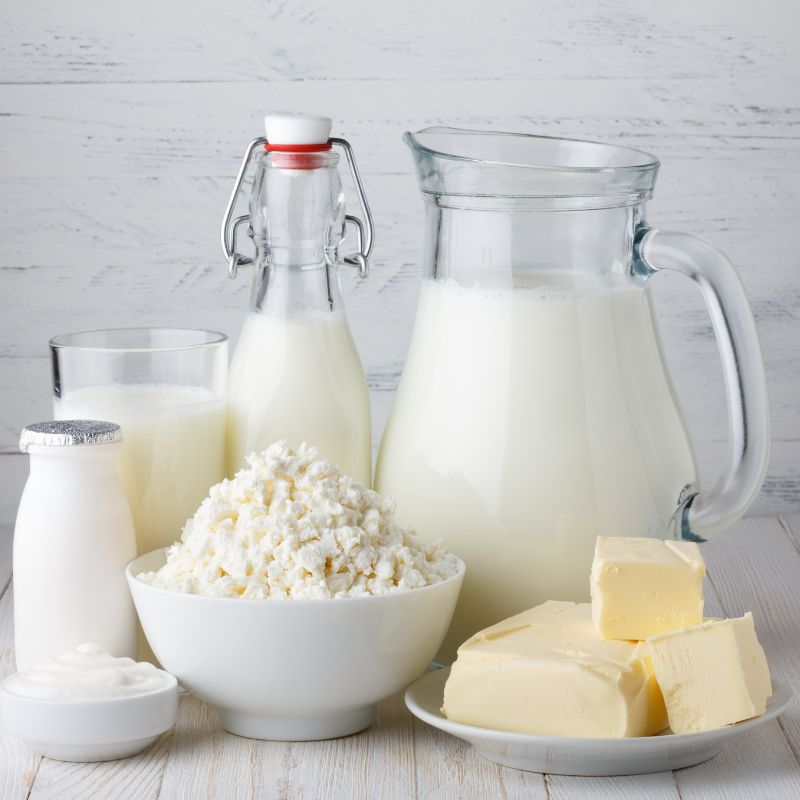
Dogs in general don’t produce much lactase, the enzyme that breaks down lactose. So drinking milk or eating a bunch of cheese can give your bulldog an upset stomach, gas, or diarrhea.
A small piece of cheese as a high-value treat might be okay for some dogs, but creamy bowls of milk or a scoop of ice cream are not a good idea. If you want to share dairy, stick to tiny amounts of plain yogurt or choose lactose-free doggy ice cream treats to avoid the messy consequences.
8. Raw Meat, Fish, or Bones
While dogs are carnivores, feeding raw meat or fish to your bulldog comes with risks. Uncooked meat and eggs can carry bacteria like Salmonella or E. coli that can upset your dog’s stomach (and even make you sick if you handle the food).
Certain raw fish, like salmon from the Pacific Northwest, may contain parasites that are deadly to dogs. These are definitely one of the most dangerous English bulldog foods to avoid. And bones — especially cooked bones — can splinter into sharp pieces that injure your bulldog’s mouth or digestive tract.
Even raw bones can cause obstruction or choking if swallowed wrong. If you want to give bones for chewing, choose heavy-duty dog-safe chew bones or rawhide alternatives, and always supervise. When considering raw diets, research carefully or talk to a professional. This helps ensure your bulldog gets balanced nutrition and avoids bacteria.
This list isn’t exhaustive, but it covers the big offenders and some surprising foods new owners often overlook. Now, let’s talk about how to spot hidden dangers on ingredient labels and then explore some tasty safe alternatives you can give your bulldog instead.
Reading Labels: Spotting Hidden Dangers in Dog Treats and Table Scraps
Your English Bulldog trusts you to choose their treats wisely – and that means reading labels is key. Harmful ingredients can lurk where you’d least expect them. Here are some tips to keep your bulldog’s snacks safe:
Check Ingredients for Sneaky Additives
When buying commercial dog treats or even prepping homemade snacks, scan the ingredient list for any known toxic items.
Watch out for onion powder or garlic powder used as flavoring. They often show up in broths, gravies, or seasoning mixes and can harm your dog. Also, keep an eye out for “sugar-free” sweeteners.
As mentioned, xylitol might be hidden under names like birch sugar or labeled simply as “artificial sweetener.” If a peanut butter or yogurt advertises “no sugar added,” double-check that they didn’t add xylitol or similar. A quick label scan can save your bulldog from an emergency vet visit.
Dog Treats vs. Human Treats
Not all snacks are created equal. Many human foods (like deli meats or crackers) are loaded with salt, spices, or preservatives that a bulldog should avoid. That’s why they are definitely some of the most important English bulldog foods to avoid.
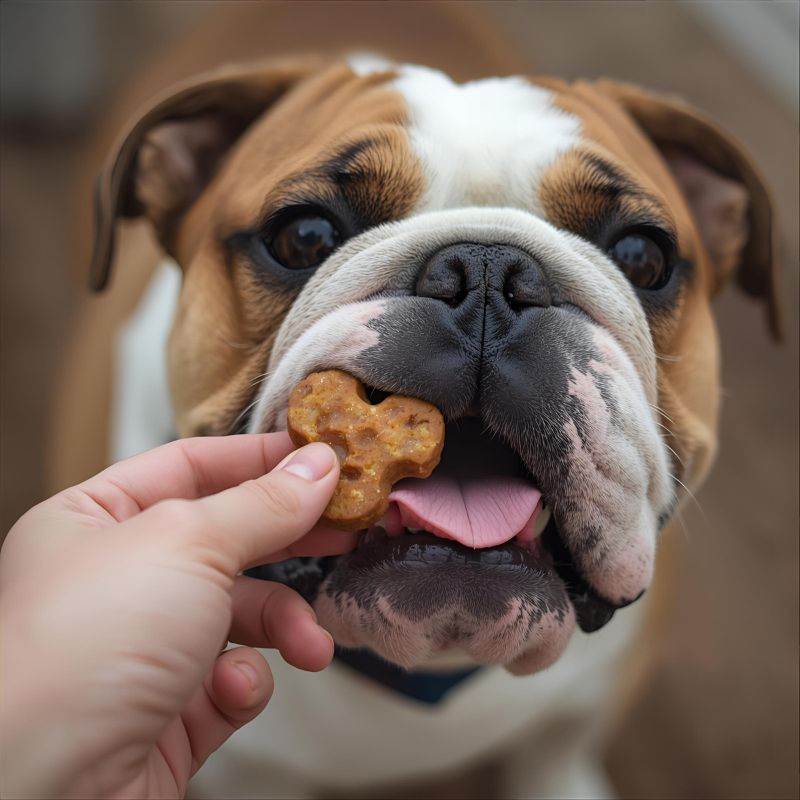
When in doubt, stick to treats made specifically for dogs – reputable brands avoid toxic ingredients. Even then, it’s good to glance over the packaging. For example, some doggie biscuits might include cheese or peanut butter flavor.
Ensure those don’t hide anything odd. If you like to use human foods as treats (like a bit of leftover meat), make sure it’s plain and unseasoned. No sauces, no spice rubs, no onions/garlic in the cooking water – basically as bland as possible.
When in Doubt, Skip It
A good rule of thumb is, if you wouldn’t feed it to a human toddler, you probably shouldn’t feed it to your bulldog. Read treats labels just as you would read food labels for a child. If the ingredient list is long and has hard-to-pronounce chemicals, it’s better to pick a more natural choice. Simpler is often safer for sensitive bully tummies.
Safe and Healthy Alternatives for Your Bulldog
Knowing what foods to avoid doesn’t mean your English Bulldog can’t enjoy delicious treats. There are plenty of dog-friendly snacks that you can happily share, guilt-free. Here are some healthy alternatives to the foods you should avoid for your English bulldog. This way, you can keep your bulldog’s eating habits safe and satisfying
Fresh Fruits (in Moderation)
Many fruits are healthy, low-calorie treats for bulldogs.
Instead of grapes or raisins, offer safer fruits. Good choices for snacks include:
- Apple slices (remove the core and seeds first)
- Banana pieces
- Blueberries
- Strawberries
- Watermelon chunks (remove the seeds and rind)
These fruits are packed with vitamins and fiber. For example, apple flesh is a crunchy source of vitamins – just remember to discard the toxic core. Bulldogs often love the sweetness of banana or melon, and these make great summertime snacks for hydration. Just introduce new fruits to your bulldog slowly to ensure they don’t upset your pup’s stomach, and avoid any pits or large seeds.
Crunchy Veggies
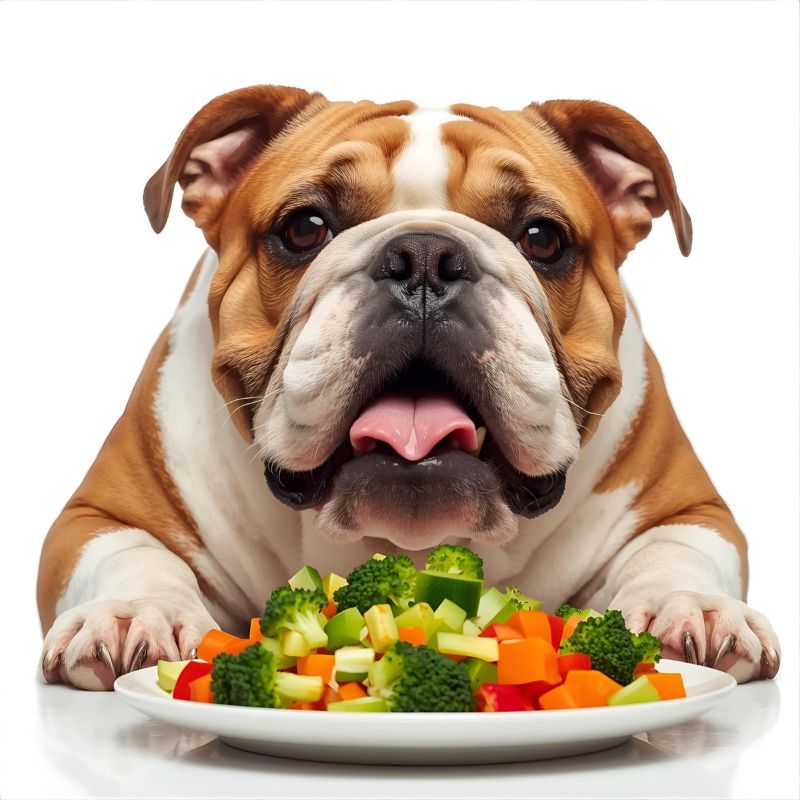
Many vegetables can satisfy a bulldog’s urge to chew while being super healthy. Baby carrots or carrot sticks are fantastic alternatives to salty pretzels or fatty bacon bits – they’re crunchy, fun, and good for teeth.
Green beans, cucumber slices, broccoli florets (not too much, or you’ll get gas!), or celery are other options. Most bulldogs enjoy the crisp texture, and you’ll be sneaking some vitamins into their diet too.
Lean Proteins
Instead of giving greasy meats or processed deli scraps, treat your bulldog to small pieces of cooked lean meat. Plain boiled or baked chicken, turkey, or lean beef can be an excellent high-value reward for training.
Just ensure there’s no seasoning, onions, or garlic on it. Many bulldog owners give their dogs bits of cooked, unseasoned fish. Salmon or whitefish are good choices. These fish are tasty and provide omega-3s, which help with skin and coat health. If your dog can handle dairy, a spoonful of plain cottage cheese or unsalted peanut butter can be a nice treat. Just make sure it is xylitol-free! You can stuff it in an interactive toy for extra fun. These protein-rich snacks are far better than giving something like bacon – your bulldog will get flavor and nutrition without the dangerous fat load.
Check the Bone Toothbrush English Bulldog Toy if you don’t have a toy that you can fill with peanut butter.
Dog-Friendly Treat Products
There are also great commercial treats formulated to be safe for dogs. For the sweet-tooth canine, you can buy dog-safe “chocolate” treats made with carob. It’s a chocolate substitute that dogs can have. It looks and tastes similar to chocolate but contains no theobromine.
There are even ice-cream-style treats made for dogs (often lactose-free or made from bananas/yogurt) that you can find in pet stores.
Think about having some dental chews, chewy jerky treats, or biscuit treats ready. When your bulldog looks at you during dinner, you can safely distract them with their own treat. Always choose high-quality treats with simple ingredients. Your bulldog will enjoy them just as much as table food, and you’ll have peace of mind.
Homemade Goodies
Feeling kitchen-savvy? You can bake simple dog biscuits at home using pumpkin puree, peanut butter (no xylitol), oats, and eggs. Homemade treats let you control exactly what’s inside.
English Bulldog Foods To Avoid: Wrapping Up
Feeding an English Bulldog is as much about love as it is about care. These adorable chonky pups will eat just about anything, so it’s our job as owners to protect them from foods that could do harm. By learning which English Bulldog foods to avoid, you’ve taken a big step toward being a responsible pet parent. Make sure to tell your family, pet sitters, and visitors about how to feed the bulldog. Consistency is important to avoid accidents.
A few final tips to keep your bulldog safe: Always store toxic foods out of reach. Those powerful bulldog noses can sniff out goodies in purses, grocery bags, or low pantry shelves!


 English Bulldog Jackets & Coats
 English Bulldog Hoodies
 English Bulldog Sweaters
 English Bulldog Life Jackets
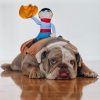
 English Bulldog Costumes
 English Bulldog Shirts