
English Bulldog Separation Anxiety: Causes and Treatment

If you’ve got an English bulldog at home, you know how loving and loyal they can be. But what happens when this easygoing breed starts showing signs of stress whenever you leave? That’s what english bulldog separation anxiety is all about. It essentially means your pup feels scared or insecure when left alone.
Separation anxiety in bulldogs can be tough on both you and your pet. It leads to behaviors from whining and pacing to destructive chewing. Thankfully, understanding the causes and some at-home strategies can help calm your bulldog and ease its anxiety. Don’t feel alone — english bulldog separation anxiety is very common, and with the right help, your bulldog can start to feel better.
Understanding Separation Anxiety in Bulldogs
Separation anxiety is a form of stress that occurs when a dog is separated from its owner. Recent research suggests that while the owner’s departure triggers the problem, the underlying issues often include a dog’s temperament, bonding with its human, and unmet needs. So, if your bulldog learned to spend plenty of time with you, leaving him/her home alone suddenly can trigger stress.
Bulldogs are affectionate dogs that crave companionship, so being left alone can be especially scary to them. They belong to companion breeds, just like Frenchies. This means that both English bulldogs and French bulldogs are prone to separation anxiety. The good news is that even severe cases can be treated with patience and consistency. And, did you know that separation anxiety can be the mark of intelligence in your little gremlin? That’s right! Bulldogs with this mark of emotional intelligence will be your loyal and protective friends for ligfe.
How To Recognize Separation Anxiety in Bulldogs?
English bulldog separation anxiety can range from mild stress to full-blown panic. Knowing the difference in symptoms will help you know when to act. For dog owners, noticing these signs is basically recognizing that their dog has english bulldog separation anxiety — the first step toward helping them.
Mild symptoms
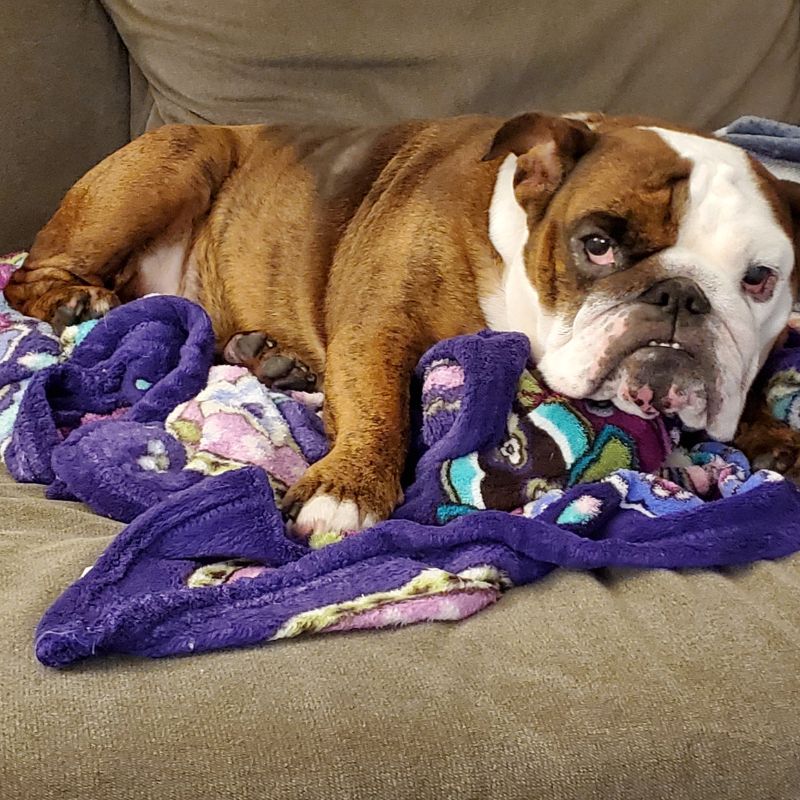
You might see your bulldog become overly clingy when it knows you’re about to leave. They might whimper softly, pant, or pace a little. Many dogs will yawn, lip-lick, or drool more than usual as you get ready to go. Some pooches will nervously walk from room to room. They may also lose their appetite temporarily. These are signs of low-level anxiety or frustration. Therefore, the key is to treat it early. That’s the only way to prevent it from becoming severe.
Severe symptoms
This is when separation anxiety becomes obvious and destructive. Watch for nonstop barking or howling, frantic pacing, or attempts to escape. Your bulldog might chew furniture, scratch at doors, or even hurt itself trying to get to you. This level of anxiety can become life-threatening for your dog. Accidents (urination/defecation) in the house happen more often under high stress. If your bulldog is exhibiting these intense behaviors, it’s important to step in and address the problem quickly.
Whatever the level of anxiety, dealing with english bulldog separation anxiety early can prevent the problem from getting worse.
What Causes Separation Anxiety in Bulldogs?
It’s natural to wonder how your bulldog got so anxious about being alone. Often, separation anxiety in bulldogs arises from a mix of factors. Some of the triggers can be changes in the life routine of the owner, bringing another pet into a household, or a sudden death of the family member. Even moving to a new home and bringing a baby home can be triggers for separation anxiety.
Behavior specialists also note that positive changes, like finally getting adopted from a shelter, can temporarily upset a dog’s sense of security. All of these changes and stresses combine into what we call english bulldog separation anxiety, a real struggle many bulldog owners face.
Research also shows that separation anxiety isn’t just about missing you — it’s tied to boredom and fear, too. Many studies note that separation anxiety may “stem from frustrations or boredom” as much as from the actual departure. So if your bulldog is under-stimulated or has pent-up energy, being left alone will magnify its stress. In short, anxious behavior in bulldogs usually involves changes or stresses in their environment plus the individual dog’s personality and history.
Treating English Bulldog Separation Anxiety at Home
The good news is that you can help your bulldog overcome anxiety at home with some effort and training. However, it’s also important to note that not all cases of separation anxiety can be healed at home. Dogs who suffer from a severe case of this condition require professional help. In other words, a dog behavior specialist should carefully tailor the plan according to the severity of suffering.
The key is to build confidence and comfort in being alone without creating more stress. As daunting as it may seem, there are many things you can do at home to relieve english bulldog separation anxiety and help your dog adjust.
Here are some tips:
1. Stay calm when you leave and return
Don’t make a big fuss or say a long goodbye. Try to act normal and upbeat. Dogs are sensitive to our emotions, so a calm routine shows them that departures are no big deal. It’s important not to make a big deal when you come or leave home. Act like nothing is happening and don’t cuddle your pooch before you leave.
2. Desensitize departure cues
Practice picking up your keys or putting on a coat, but then stay home. Do this repeatedly so your bulldog learns that these actions don’t always mean you’re leaving. Over time, it will reduce the anxiety around your actual departures. The key is to confuse your pet so he/she can’t memorize the order of your departure cues.
3. Use positive training
Teach your dog a cue like “settle” and reward them for staying calm. Start with very short absences (just a few seconds) and gradually increase the time you’re away. If they remain relaxed, praise and treat them. Trainers emphasize rewarding calm behavior (soft breathing, relaxed body) to reinforce that alone time is okay.
4. Create a safe space
Give your bulldog a comfortable area to relax. This could be a crate (with the door open if they like it) or a favorite room with their bed. Include familiar items like a favorite blanket or a worn t-shirt with your scent.
5. Crate training
If your bulldog feels comfortable in a crate, make it a cozy safe haven. Leave the crate door open with treats or toys inside so your dog can enter on its own. Having a crate as a familiar place can give them a sense of security when you’re out.
6. Provide background noise
Leaving some sound on can comfort your dog. A radio set to a talk show or calm music can make a big difference. It helps them feel like there’s still someone around. Besides, the so-called white noise can be a great option to calm your pet. It doesn’t work only on human babies. It works on dogs, too.
7. Keep a routine
Try to feed, walk, and leave your dog at about the same times each day. A predictable schedule gives your bulldog a sense of security.
8. Keep them active
Even though bulldogs are not high-energy dogs, they still need a dose of exercise during the day. Give your bulldog plenty of exercise before you leave. A tired bulldog is much more likely to rest while you’re gone and it will not be prone to accidents. A short game of fetch or a brisk walk can help burn off nervous energy. You’ll make him/her pleasantly tired, and you’ll be able to leave your home peacefully.
9. Distract with enrichment
Right before you go, give your bulldog something rewarding to do. A stuffed treat toy or a special chew can redirect its focus. Our recommendation is to leave your dog your worn shirt so he/she can feel your smell when you’re out.
10. Avoid punishment
Never scold or punish your dog for anxious behaviors. This will only make the fear worse. Focus on positive reinforcement instead.
11. Consider a pet camera
Some pet cameras allow you to watch and even talk to your dog from your phone. You could say a soothing word or toss a treat remotely if it supports it. Hearing your voice and seeing you on screen can reassure a lonely bulldog.
12. Get help if needed
If separation anxiety is very severe (extreme destruction or self-harm), consult a veterinarian or a professional dog trainer. In some cases, they may recommend behavior therapy, calming aids, or medication. Remember, many bulldogs improve significantly with consistent training and environmental changes.
13. Stay consistent
Over time, all these strategies help reduce your dog’s anxiety. With effort and patience, english bulldog separation anxiety can slowly improve.
Interactive and Chew Toys for Treating Bulldog Anxiety
Using fun toys can turn your bulldog’s anxious energy into playtime. That’s how you’ll occupy your dog’s mind during your absence. Instead of thinking of you, your bulldog will try to figure out how all those interactive goys work.
Treat-dispensing puzzles and durable chews keep their mind busy and help soothe stress. In fact, fun toys are another great tool to help curb english bulldog separation anxiety at home. Here are some top toy recommendations designed for bulldogs:
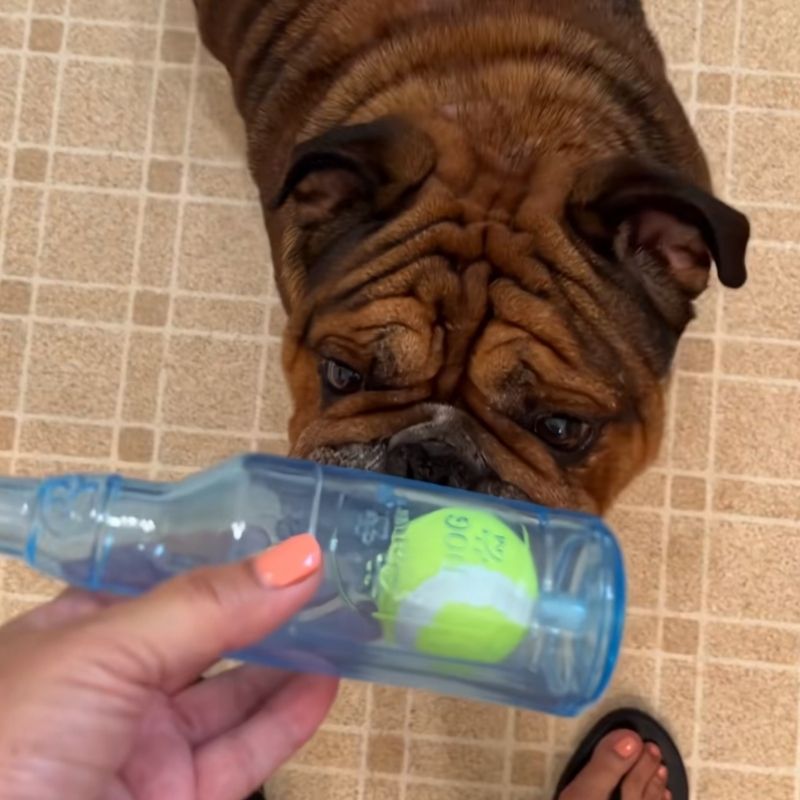
English Bulldog Chew Bottle
This is a rugged chew toy shaped like a water bottle (with a tennis ball inside). Made for strong bulldog jaws, it mimics the crinkly sound of a plastic bottle without the mess. Best of all, it “helps soothe anxiety and redirect destructive chewing”, giving your bulldog a safe outlet for stress.
English Bulldog Feeding Duck
A silly yellow duck that’s actually a slow-feeder puzzle. Your bulldog steps on the duck’s foot to spin the dome and release treats a few at a time. This turns mealtime into a fun puzzle, helping to slow down fast eaters and “reduce boredom”. It’s a smart way to keep your bulldog engaged and satisfied.

English Bulldog Interactive Treat Tumbler
Fill it with kibble or small treats, then let your dog nose it around. It has a unique wobble design that keeps bulldogs chasing it for minutes. According to its creators, it provides “continuous entertainment” and effectively “minimizes boredom and destructive behavior”.
English Bulldog IQ Treat Ball (Food Egg)
A challenging treat ball (in a fun egg shape). You can adjust its difficulty by inserting a disk. Fill it with kibble or treats and let your bulldog bat it around: treats roll out slowly as they play. This “IQ ball” is great exercise for the mind. It not only entertains but also improves the dog’s eating habits and mental acuity”.

English Bulldog Tennis Launcher
Even bulldogs need exercise, and fetch is a perfect game to burn off anxiety. Simply plug it in, drop in one of the mini tennis balls, and watch your bulldog chase after it. Product info notes that fetch games “help burn off excess energy, support weight management, and keep your pup mentally alert”.

English Bulldog Feeding Stick
The stick has a suction base and a wobbly ball at the top that you fill with treats or kibble. As your bulldog licks and nudges the ball, snacks trickle out. This makes eating more entertaining and slower. It’s a fantastic way to slow down fast eaters, reduce bloating, and add enrichment—while satisfying your bulldog’s curiosity.

Interactive Chew English Bulldog Toy
This bulldog toy is a heavy-duty bone-shaped chew toy made just for bulldogs. It’s designed for aggressive chewers and can be stuffed with snacks or spread with peanut butter. Chewing on it is soothing for many anxious dogs and helps prevent destructive chewing of your furniture.

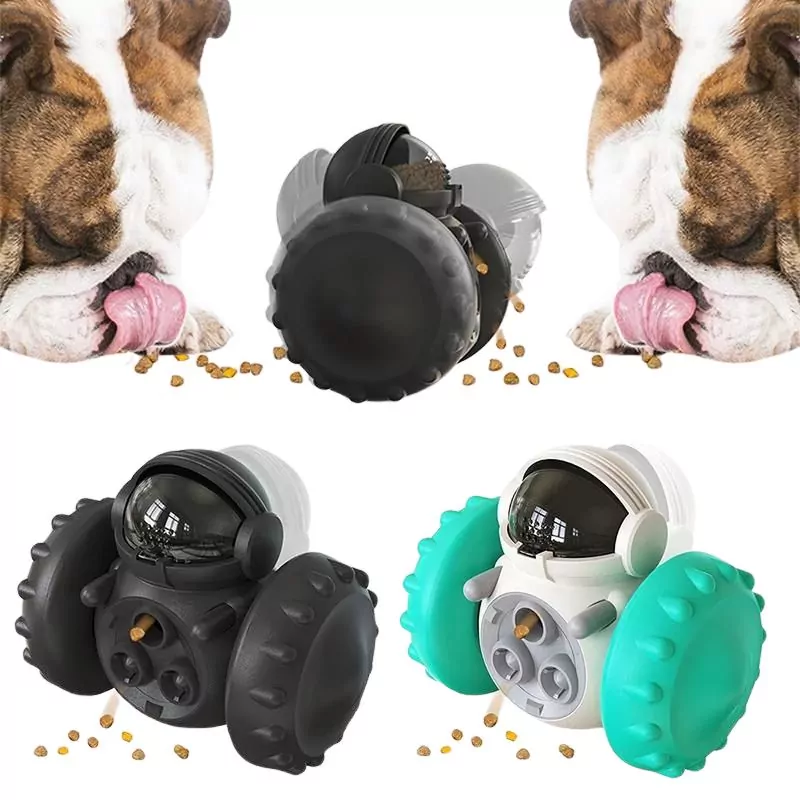
Interactive Wheel English Bulldog Toy
A rolling treat puzzle. Your bulldog rolls the wheel with its nose or paws, and kibble pieces tumble out. This keeps them happily occupied as long as the treats last. The seller notes it’s a “perfect choice for anxious pets” — a distraction toy that makes your bulldog curious to discover how it works.

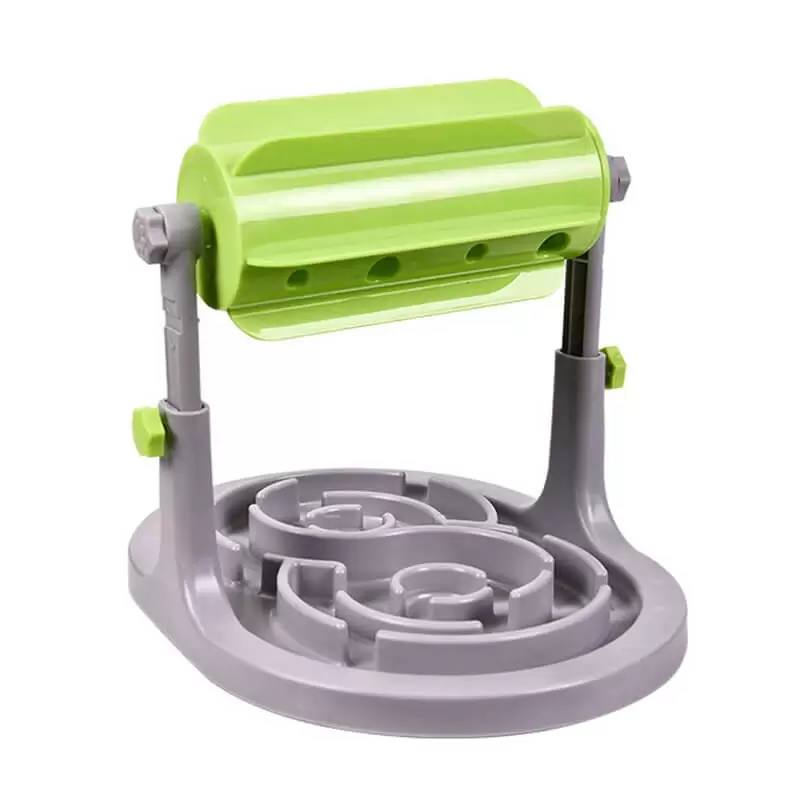
Interactive Slow Feeder Toy
This is a spinning treat-bowl puzzle. You hide kibble in its maze or cavities and your bulldog has to figure out how to get it out. This encourages them to “think and solve puzzles, enhancing their intelligence,” and it slows down their eating to prevent gulping.
 Each of these toys can turn alone time into a game, reduce boredom, and give your bulldog a fun distraction. Chewing and puzzle play release endorphins that naturally reduce stress, so the right toy can make a big difference in easing your pet’s anxiety.
Treating English Bulldog Separation Anxiety: Conclusion
Managing separation anxiety can take time, so be patient and try different strategies to see what your bulldog loves. With consistent effort — a calm routine, positive training, plenty of exercise, and engaging toys — your bulldog will gradually become more confident being alone. Each time you leave and return without incident, your dog learns that you always come back. Remember, english bulldog separation anxiety doesn’t have to be permanent; with the right approach it can be significantly improved. Over time, your patience will pay off as your bulldog learns that it’s safe to relax when you’re gone. You’ll know you’re succeeding when your bulldog greets you calmly or nuzzles up, instead of anxiously searching for you. Those peaceful moments will remind you that helping a troubled pup was worth the effort. For your bulldog, the dark days of english bulldog separation anxiety will become a thing of the past.





 English Bulldog Jackets & Coats
 English Bulldog Hoodies
 English Bulldog Sweaters
 English Bulldog Life Jackets
 English Bulldog Costumes
 English Bulldog Shirts