
Why Is My Bulldog Eating Poop? Reasons and Tips How To Stop It

If you’ve caught your bulldog eating poop, then it was probably the worst scene you ever saw. Otherwise called coprophagia, and it’s actually a common issue many dog owners face.
Since you definitely want to stop your bulldog from doing this, we will reveal why bulldogs eat poop. Besides, we’ll give you tips on how to stop your English Bulldog from eating it.
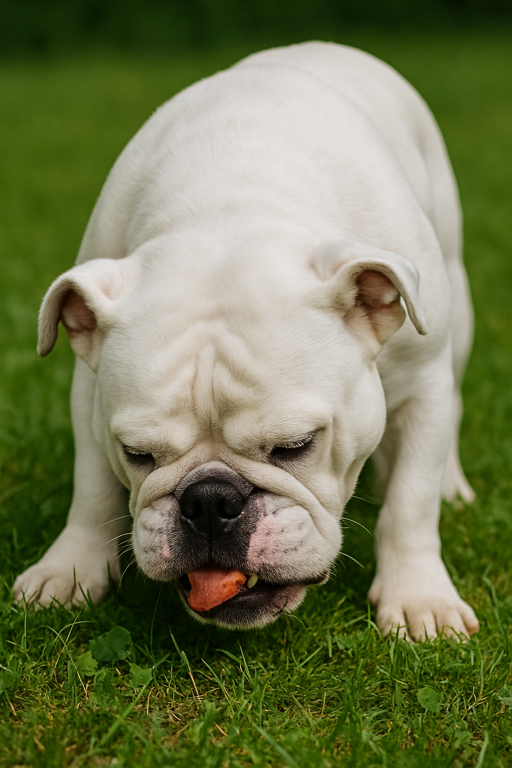
Why Do Bulldogs Eat Poop?
Dogs eat poop for a variety of reasons. Some are rooted in instinct and others in health or environment. It’s gross to us, but remember that dogs experience the world with their mouths and don’t share our sense of disgust. Here are some of the most common reasons your bulldog might be turning your yard into a buffet:
Natural Instincts and Puppy Behavior
In puppyhood, eating poop can be a normal behavior. Mother dogs actually lick their newborn puppies to stimulate them to poop, then eat the feces to keep the “den” clean for the litter. Puppies often imitate this behavior and may nibble on their own or other animals’ droppings as they explore the world (everything is a taste-test for a pup!). Most puppies outgrow this by about 9 months old, but some dogs carry the habit into adulthood.
Nutritional Deficiencies or Hunger
One longstanding theory is that dogs eat stool because their diet is missing something. In fact, vitamin deficiencies have been suspected to trigger coprophagia. A study found that dogs on a thiamine-deficient diet developed poop-eating habits. If a dog isn’t getting enough nutrients or calories from their food, they may turn to snacking on poop as a “supplement.”
Underlying Health Problems
When an adult dog suddenly starts eating poop, it could be a red flag for certain medical issues. Health conditions that ramp up a dog’s appetite or interfere with nutrient absorption can trigger poop-eating. For example, diabetes, Cushing’s disease, thyroid imbalances, or pancreatic disorders like EPI (exocrine pancreatic insufficiency) can leave a dog feeling ravenous or unable to absorb nutrients, leading them to seek out stool.
Intestinal parasites (worms) are another culprit. Parasites steal nutrients from your dog’s diet, so your pup might eat poop trying to reclaim those lost nutrients. Even medications that increase appetite (such as steroids like prednisone) have been linked to poop-eating behavior in some dogs.
Boredom or Attention-Seeking
Bulldogs are smart, social dogs. If they’re feeling bored or understimulated, they might turn to gross hobbies like munching on poop just to pass the time. In some cases, dogs learn that eating poop gets a big reaction from their humans.
Your bulldog might actually think it’s a game or a surefire way to grab your focus. Similarly, dogs that are isolated or confined for long periods may start playing with or eating feces out of stress or boredom. English Bulldogs, while generally easygoing, do need mental and physical stimulation; without it, they might invent their own “fun,” even if it’s the last thing you find fun.

Anxiety or Punishment Fear
Stress and anxiety can also lead to coprophagia. One scenario is when a dog has been harshly punished for potty accidents in the past. If you or a previous owner reacted by scolding or rubbing their nose in it (an old-school practice not recommended), the dog might eat the evidence to avoid punishment.
In their mind, if the poop is gone, they won’t get in trouble. This can create a vicious cycle where the dog is anxious about pooping and tries to “clean up” by consuming it. Separation anxiety or general stress can manifest in weird behaviors too. Some dogs stress-eat… and sometimes, that means stress-eating poop.
Learned Behavior (Copycat Dogs)
If you have multiple dogs or your bulldog grew up around other dogs with bad habits, he might have learned to eat poop by observing them. Puppies especially are little copycats. If a puppy sees an older dog eating feces, they may mimic the behavior and then continue doing it as they grow up. Dogs are also scavengers by nature; in the wild, scavenging whatever is available (even feces) is a survival tactic. So in a domestic setting, some dogs just continue that scavenger instinct.
It Just Tastes…Good? As hard as it is for us to imagine, some dogs might genuinely like the taste or smell of poop. This is more common when they’re eating other animals’ droppings. Cat poop, for example, is notorious as “doggie candy” because cat diets are high in protein and fat – their waste is apparently a delicacy to dogs. Horse manure or rabbit pellets can be enticing to dogs (ever see your pup make a beeline for those on a walk?). To a dog, poop is essentially “pre-digested food” with some remaining nutrients or flavors, so they might see it as a treat. Of course, we’d strongly disagree, but our dogs don’t read the same rule book we do!

What Vitamins Are Dogs Lacking If They Eat Poop?
You may have heard that dogs eat poop because they’re missing some vitamin. There is some truth to this, though it’s not the only reason for coprophagia. The prime suspect is often Vitamin B. Specifically, a Vitamin B1 (thiamine) deficiency has been linked to poop-eating in dogs.
In one study, dogs on a thiamine-deficient diet started eating feces, and when thiamine was added back, the behavior improved. The theory is that dogs instinctively try to re-ingest nutrients that their body lacks. Poop from other animals may contain traces of vitamins or undigested food that smell enticing if your bulldog is missing something in his diet.
That said, true vitamin deficiencies are uncommon in dogs eating a well-balanced commercial diet. If you’re feeding a reputable dog food, it should have the necessary vitamins and minerals.
How Do I Get My English Bulldog to Stop Eating Poop?
Alright, let’s get to the big question: How can you stop this gross habit? The good news is there are several strategies that can help, and you often get the best results by using a combination of approaches. The key is to stay patient and consistent. Your bulldog isn’t going to kick this habit overnight, especially if it’s been going on for a while, but with persistence you can greatly curb or eliminate the behavior.
Before jumping into action, talk to your veterinarian to rule out any health-related causes for the coprophagia. If a medical issue or nutrient deficiency is at play, addressing that is step one (for example, your vet might prescribe treatment for parasites or suggest a diet change or supplements). Once health issues are ruled out or treated, you can focus on training and home management.
Here are some effective tips and natural methods to stop your English Bulldog from eating poop:
Pick up poop immediately and supervise
This is the number one prevention tactic. It sounds simple, but it works: if they can’t access poop, they can’t eat it! Go outside with your bulldog when it’s potty time and be ready with a poop bag or scooper. As soon as your dog does the deed, promptly pick it up.
Removing the source is critical, especially while you’re training them out of the habit. If you have multiple dogs, clean up after each dog right away so none of them are tempted by the other’s droppings.
Similarly, keep your yard scooped daily. Yes, it’s a bit of extra work for you, but it’s the surest way to break the cycle.
Teach a solid “Leave It” (and redirect with treats)
Training can really help manage this behavior. Start practicing the “Leave it” command with your bulldog using treats or toys, so they learn that when you say leave it, something good comes from not touching the item.
Then, use it if you see your dog sniffing or moving toward poop. Even better, train your dog to come to you immediately after pooping. One trick is to have some tasty treats on you during potty breaks. The moment your bulldog finishes pooping, call them over excitedly and offer a treat. make it something high-value that they love, so they’ll run to you instead of turning around to the poop pile.
This way, you create a new habit: potty, then quickly come to Mom/Dad for a reward. Over time, your pup can learn that leaving the poop alone means yummy treat, while trying to eat it yields nothing or even a gentle interruption from you. Be consistent with positive reinforcement; never punish your bulldog for eating or sniffing poop, as that can backfire and make them anxious (or sneaky) about it.

Improve their diet quality and schedule
Since nutrition can be a factor, make sure your bulldog is on a high-quality, balanced diet that meets all their nutritional needs.
If you suspect the current food isn’t cutting it, talk to your vet about switching to a better formula. Look for diets with real meat listed as the first ingredient and avoid fillers that don’t provide much nutrition. Sometimes adding dietary fiber can help a dog feel more satiated; for example, adding a spoonful of plain canned pumpkin to meals adds fiber and can keep tummies full longer (plus pumpkin is great for digestion).
Also, evaluate how much and how often you feed your dog. Bulldogs love to eat and can act like they’re starving even when they’re not, but it’s worth checking that you’re not underfeeding.
Feeding smaller meals more frequently (for instance, splitting the day’s ration into two or three meals instead of one big meal) can keep your bulldog from getting too hungry and prowling for “snacks” in between.
A well-fed dog is less likely to scavenge. Always ensure fresh water is available too, as sometimes what looks like searching for food is actually thirst or dry-mouth drive (though water won’t directly stop poop eating, good hydration supports overall digestion).
Offer natural taste deterrents (home remedies)
There are a few natural dietary additives people use to make poop less appealing to dogs. The idea is to introduce something into the dog’s food that tastes fine going in, but makes the poop taste awful (or more awful, to us). One popular remedy is feeding a few chunks of pineapple to your dog.
Pineapple contains bromelain and tends to make stools more acidic. Many owners swear that pineapple chunks or juice in the diet stop their dog from eating poop – as one trainer puts it, the acidity “messes up the flavor” and dogs stop 90% of the time.
Another option is adding a teaspoon of apple cider vinegar to your bulldog’s food (diluted with a bit of water or broth) per 25 pounds of body weight. This might help if low stomach acid is a contributing factor, and the vinegar can make the stool less palatable. Canned pumpkin (unsweetened, pure pumpkin) not only helps with fullness as mentioned, but some believe it changes the stool taste as well – plus dogs typically like the taste of pumpkin itself, so it’s an easy add-in. Raw zucchini is another home remedy suggestion for aiding digestion; a few grated bits in food could help if your dog’s lacking certain enzymes.
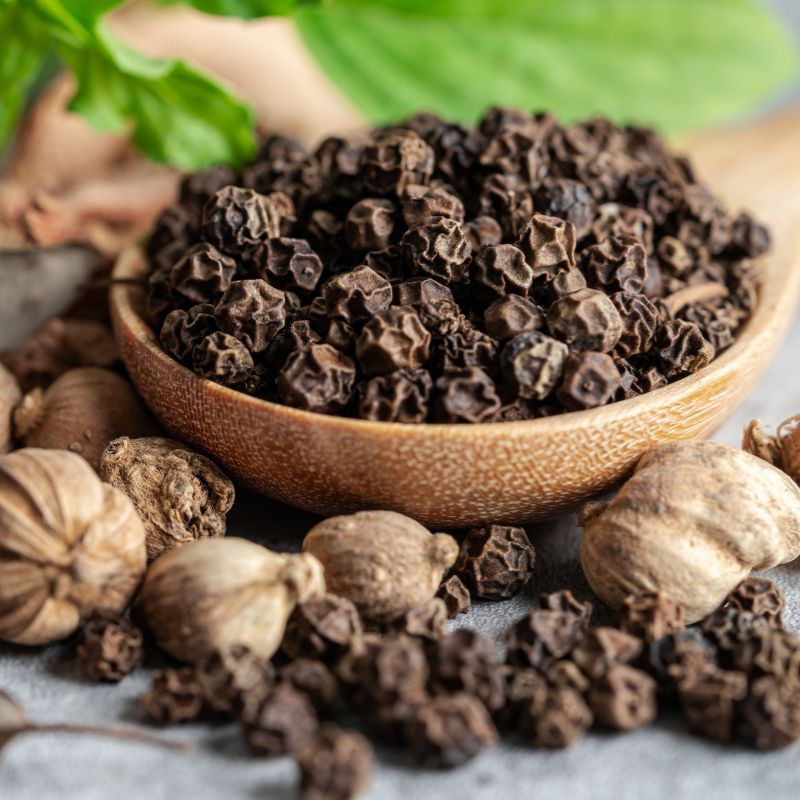
Try with black pepper
On the flip side, you can also directly make the poop unattractive (if the problem is with eating other dogs’ poop or you can’t always pick up immediately). Sprinkling black pepper on the stool is a classic deterrent – the strong smell and slight irritation can repel dogs from investigating that pile.
Just be cautious not to overdo it. You don’t want to hurt your dog’s nose, and if you’re consistently cleaning up, you might not need this step often. The goal isn’t to season the “snack” (ew!), but to create a short-term aversion.
Provide more exercise and mental stimulation
Boredom and excess energy are common triggers for poop eating. English Bulldogs may not be long-distance runners, but they do enjoy walks, playtime, and mental challenges. Ensure your bulldog gets daily exercise appropriate for their age and health. A tired, content dog is far less likely to engage in undesirable behaviors. Add in some mental enrichment too: puzzle toys, treat-dispensing toys, or a snuffle mat can keep their brain occupied.
Even simple obedience training sessions or teaching new tricks can work your dog’s mind and make them less interested in, uh, self-made snacks. If your bulldog tends to go for poop in the yard, try distracting them with a game right after they potty.
For instance, bring a favorite ball or tug toy outside – once they finish pooping (and you’ve scooped it), initiate a fun play session or a short training routine. This redirects their attention away from the poop and onto positive interaction with you.
Stay positive and be patient (no punishment)
As frustrating (and nasty) as this problem is, avoid scolding or punishing your bulldog for eating poop. Yelling or harsh discipline can make a dog confused or anxious, which may actually increase the behavior (for example, they might eat it quickly to avoid getting in trouble, as noted earlier). Instead, focus on positive reinforcement for the behaviors you do want (coming to you, leaving the poop, etc.).
If you catch your dog in the act, you can interrupt with a firm “No” or “Leave it,” but then quickly redirect them to something positive (call them over, give a treat or toy) rather than just punishing.
Many dogs interpret a big dramatic reaction as attention or think you’re joining the “fun.” It might sound weird, but the calmer and less interesting you make the poop-eating for the dog, the less rewarding it will be for them. Meanwhile, make all the good alternatives (like treats, play, praise) very rewarding. This way, your bulldog learns that not eating poop gets them good stuff, while eating poop ends the fun.
Consider enzyme supplements or probiotics (if recommended by vet)
If poor digestion is suspected (say your bulldog’s stool is often loose, or they have EPI or chronic pancreatitis), a digestive enzyme supplement might help food break down better, leaving less temptation in the poop.
There are over-the-counter enzyme powders (often containing papain, bromelain, etc.) that some owners sprinkle on meals to improve nutrient absorption.
A probiotic supplement could improve gut health and nutrient uptake. Always check with your vet before adding these. They can guide you on which product and dose. While not exactly a “home remedy” in your pantry, these are natural supplements that address the root cause (nutrient absorption) so your dog doesn’t feel the need to eat poop.
Use a safe chew or distraction at potty time
Some trainers suggest giving your dog something to hold in their mouth on the way out for potty breaks. For example, you could train your bulldog to carry a ball or a chew toy outside. This way, they’re literally too preoccupied (and their mouth is full) immediately after doing their business, so they can’t grab any poop. The UK Kennel Club notes that giving a dog a toy to carry can prevent them snatching up undesirable items on walks. Just ensure it’s something safe and that your dog doesn’t drop the toy to go for the poop anyway. This method might be hit-or-miss, but some owners have success with it as a distraction technique.
Bulldog Eating Poop: Wrapping Up
Finding out your English Bulldog is eating poop is certainly one of the less glamorous parts of pet parenthood. It’s easy to feel embarrassed or frustrated by this behavior.” Many dog owners have been in your shoes – it’s a common problem, and it can be solved. Hopefully, with the tips in this guide, you’ll soon turn your poop-eating bulldog into a former poop eater.


 English Bulldog Jackets & Coats
 English Bulldog Hoodies
 English Bulldog Sweaters
 English Bulldog Life Jackets
 English Bulldog Costumes
 English Bulldog Shirts