
Why Is My Bulldog Limping? Reasons and How To Help Your Dog

Seeing your bulldog limping can be concerning, especially if you’re not sure what’s causing it. Bulldogs are strong yet prone to specific health issues that can affect their mobility. Whether it’s an injury, joint problems, or something minor like a paw issue, finding the cause of your bulldog’s limp is essential.
In this guide, we’ll cover the most common reasons for bulldog limping, when to worry, and how you can help your pup get back on all fours comfortably.
Why You Shouldn’t Ignore a Limping Bulldog
A slight limp might not seem like a big deal at first, but ignoring it can lead to more severe problems. Bulldogs are known for their high pain tolerance, meaning they may not show obvious signs of discomfort. As we all know, English bulldogs, as well as French bulldogs are prone to spine, hip and joint issues, so we should react quickly. If your bulldog is limping on his back leg or front leg, it’s best to investigate before it gets worse.
Common Reasons for Bulldog Limping
Injury or Trauma
Bulldogs are playful and curious, making them prone to injuries. If your bulldog suddenly starts limping, consider recent activities—did they jump off furniture or run too hard at the park? Does your English bulldog climb stairs every day? If the answer is yes, then he/she probably got injured.
Common injuries that cause limping include:
- Sprains and strains – Overstretching a muscle or ligament. This problem occur when bulldog has been exposed to stairs, hiking, and climbing
- Bruises – Bumps and knocks from rough play. Therefore, do not allow your English bulldog to play and chase
- Fractures or broken bones – Even though this rarely occurs, it can be quite serious. Look for swelling and inability to bear weight.
If your bulldog’s limp isn’t improving within a day or two, it’s time for a vet check-up.
Joint Issues & Arthritis
Joint problems are one of the top causes of bulldog limping hind leg or front leg. Bulldogs are genetically predisposed to joint issues like hip and elbow dysplasia—conditions where the joints don’t fit properly, causing pain and limping.
Signs of arthritis or joint issues in bulldogs:
- Stiffness after naps
- Limping that worsens with exercise
- Trouble jumping or climbing stairs
A vet can diagnose these issues through X-rays and suggest treatments like supplements, weight management, or even surgery in severe cases.
Paw Problems
Sometimes, the issue is right under their paws. Bulldogs may start limping due to:
- Cuts or scrapes from stepping on sharp objects
- Splinters, pebbles, or thorns stuck between their toes
- Ingrown nails causing pain while walking
- Cracked or irritated paw pads from hot pavement or rough surfaces
Check your pup’s paws carefully and clean any wounds. Applying paw balm can help soothe cracks and prevent further irritation.
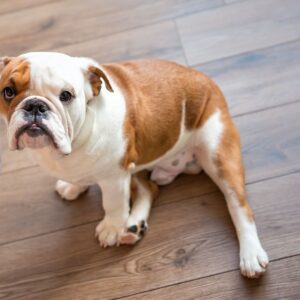
Front Leg vs. Back Leg Limping in Bulldogs
If your English Bulldog is limping on their front leg, don’t freak out just yet! Bulldogs are sturdy and muscular but their front legs take a lot of punishment since their body is so compact. If you notice your pup favoring one front leg, it could be for several reasons, some minor and some major.
Front Leg Limping in Bulldogs
- Shoulder Injuries – Bulldogs are low to the ground but they still trip. A rough landing from jumping off furniture, playing too hard or an awkward step could result in a sprain or strain.
- Elbow Dysplasia – This is a common genetic condition in Bulldogs where the elbow joint doesn’t form right. Over time it can cause discomfort and make your pup limp especially after exercise.
- Paw Problems – It sounds simple but sometimes a limp is caused by something as basic as a thorn, pebble or even an overgrown nail. Bulldogs’ paws are sensitive so always check for cuts, cracks or debris stuck between their toes.
What to do for Front Leg Limping
- Inspect their paw – Check for foreign objects or wounds.
- Feel the leg – Check for swelling, tenderness or heat in the elbow, wrist or shoulder.
- Rest and monitor – If they seem to be getting better after a day or two it was probably just a minor strain.
- Visit the vet – If limping lasts more than 48 hours or gets worse you’ll want a professional opinion to rule out elbow dysplasia or a fracture.
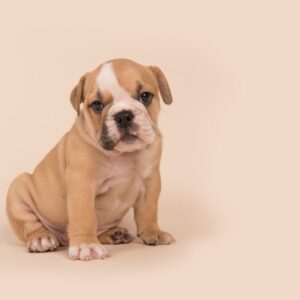
Bulldog Limping Back Leg – When to Worry
Now, if your bulldog is limping on their back leg, it can be a little more concerning. Bulldogs are prone to hip and knee problems, and a limp in the back leg could indicate something more serious than a simple muscle strain.
Possible Causes of Back Leg Limping in Bulldogs
- Hip Dysplasia – Bulldogs are notorious for hip dysplasia, a condition where the hip joint doesn’t fit correctly. Over time, this leads to arthritis and pain, making them limp, especially after lying down for a while.
- ACL (Cranial Cruciate Ligament) Injury – Just like in humans, dogs can tear their ACL, the ligament that stabilizes the knee. A bulldog with an ACL injury will often hold up one back leg or struggle to put weight on it.
- Patellar Luxation (Slipping Kneecap) – If you notice your bulldog’s back leg popping in and out of place, they might have a slipping kneecap, which can cause sudden limping. Some dogs will “skip” on three legs when this happens.
- Arthritis or Joint Pain – Older bulldogs, or those with past injuries, may develop arthritis in their back legs. The limp might come and go, especially in colder weather or after exercise.
When to Worry About a Bulldog Limping on Its Back Leg
- If the limp is sudden and severe, your dog may have torn a ligament or suffered a fracture—this needs urgent vet attention.
- If the limp comes and goes, but your dog seems stiff, hip dysplasia or arthritis could be the cause.
- If your bulldog refuses to put any weight on the leg for more than a day, call your vet.
My Dog Is Limping on His Back Leg but Not in Pain – Should I Be Concerned?
You might be thinking, “My bulldog is limping on his back leg but not in pain—should I just wait it out?” It’s a fair question, and the answer is yes, you should still be concerned. Bulldogs are stubborn and tough—they’re not the type to whine over a little discomfort. Many bulldogs will hide their pain, even if something serious is going on.
Why Would a Bulldog Limp Without Showing Pain?
- They Have a High Pain Tolerance – Bulldogs can be surprisingly stoic. Even if they have a minor joint issue or muscle strain, they might not cry or act distressed.
- Early Stages of Joint Problems – Conditions like hip dysplasia or arthritis don’t always hurt immediately, but limping could be an early warning sign.
- Minor Soft Tissue Injury – If they twisted their leg or pulled a muscle, they might limp slightly but not show pain unless the injury worsens.
- Neurological Issues – Sometimes, a spinal issue or nerve problem can cause limping without obvious pain. This is common with Intervertebral Disc Disease (IVDD) in bulldogs.
What to Do If Your Bulldog Limps Without Pain
- Observe their movement – Do they seem stiff after sleeping? Are they reluctant to run? These are subtle signs of discomfort.
- Feel for swelling or heat – Even if they’re not crying, their body may still show signs of inflammation.
- Give them rest – If they’re still limping after 48 hours, it’s time to visit the vet for a checkup.
Even if your bulldog isn’t showing pain, it’s best to catch potential issues early before they become a bigger problem. A little precaution now could save your pup from serious joint problems later on!
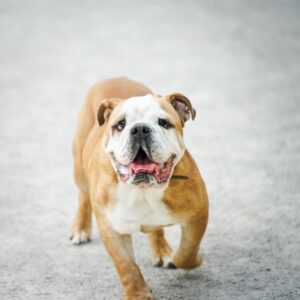
How to Help a Limping Bulldog at Home
If your bulldog is limping, try these steps:
- Rest – Keep them from running or jumping.
- Ice Therapy – Apply ice to swollen joints.
- Gentle Massage – Helps with muscle soreness.
When to Take Your Bulldog to the Vet
Seek a vet if:
- The limp persists for more than 48 hours.
- There’s swelling, heat, or severe pain.
- Your dog refuses to put weight on the leg.
Preventing Limping in Bulldogs
The best way to deal with a bulldog limping is to stop it from happening in the first place. Bulldogs are built like little tanks—sturdy, muscular and full of energy. But their unique body shape makes them prone to joint issues, injuries and general mobility problems. A little prevention goes a long way in keeping your bulldog comfortable for years to come.
Here’s how you can prevent your bulldog from limping and keep those little legs strong and healthy!
Pay Attention to Your English Bulldog’s Weight
Bulldogs and weight don’t go hand in hand—because, let’s be honest, these chunky pups LOVE to eat! Bulldogs are notorious for packing on the pounds, but carrying extra weight is one of the biggest causes of bulldog limping.
Why Weight Matters
- Extra weight puts too much pressure on their joints making them more prone to arthritis and hip dysplasia.
- Overweight bulldogs are more likely to injure their legs when running or jumping.
- Obesity increases the risk of bulldog limping due to joint pain and inflammation.
How to Keep Your Bulldog at a Healthy Weight
- Portion Control – Bulldogs will eat like they haven’t been fed in weeks, so don’t let those puppy dog eyes fool you. Stick to the recommended portion sizes on their food packaging.
- Quality Food – Choose high-protein, low-carb diets that support muscle mass not weight gain.
- Exercise Smart – Bulldogs don’t need hours of running, but they do need regular movement.
- Short walks twice a day (15-20 minutes) are great.
- Don’t overexert them especially in hot weather—they overheat easily.
- Swimming is a great low-impact exercise to prevent bulldog back leg limping.
Keeping your bulldog fit doesn’t just stop limping—it also adds years to their life and improves their overall quality of life. A healthy bulldog is a happy bulldog!It may seem small but a lot of cases of bulldog limping start with paw issues. Bulldogs have sensitive paws and something as small as a cracked pad or overgrown nail can cause discomfort while walking.
Common Paw Problems That Cause Bulldog Limping
- Overgrown Nails – Long nails change the way your bulldog walks and cause joint pain over time.
- Cracked Paw Pads – Dry, rough pavement can damage their pads and make every step painful.
- Cuts, Splinters & Foreign Objects – A tiny piece of glass, a thorn or even a rock stuck between their toes can make your bulldog limp.
- Yeast Infections – Bulldogs have wrinkly feet which can trap moisture and cause infections. If you see redness, swelling or excessive licking, it could be a yeast problem.
How to Keep Your Bulldog’s Paws Healthy
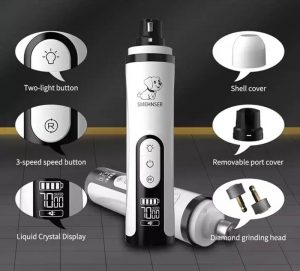
- Trim Their Nails – Every 2-3 weeks trim their nails. If you hear their nails clicking on the floor they’re too long! In our store, you can find our Electric Pet Nail Grinder with LED Light that represents a convenient way for trimming a dog’s nails.
- Check Their Paws After Walks – Give their paws a quick look over for cuts, scrapes or stuck debris.
- Moisturize Paw Pads – Bulldog paws can get dry and cracked, so use a dog-friendly paw balm to keep them soft. We recommend you to apply our Natural English Bulldog Paw Balm at least twice a week. It soothes paw pads, heals cracked skin and it can also be applied on their dry nose as well.

- Keep Their Feet Clean – Wipe their paws with a damp cloth after walks to prevent infections.
Joint Supplements To Treat Bulldog Limping
One of the best ways to avoid bulldog limping, especially as they get older, is to support their joints from the inside out. Bulldogs are prone to arthritis, hip dysplasia and knee problems so adding joint supporting nutrients to their diet is a no brainer.
Best Joint Supplements for Bulldogs
- Glucosamine & Chondroitin – These two work together to keep joints cushioned and prevent arthritis. Great for bulldog limping hind leg problems.
- Omega-3 Fatty Acids – Found in fish oil, reduces inflammation and keeps joints lubricated.
- Turmeric – Natural anti-inflammatory that helps with joint pain.
- MSM (Methylsulfonylmethane) – Supports healthy cartilage and reduces joint stiffness.
Best Foods for Joint Health
- Lean meats (chicken, turkey, salmon) – Good protein sources for muscle strength.
- Sweet potatoes & carrots – Full of antioxidants that reduce inflammation.
- Bone broth – A natural source of glucosamine, chondroitin, and collagen for joint support.
- Green-lipped mussels – Sounds weird but amazing for bulldog joints!
How to Add Supplements to Your Bulldog’s Diet
Many joint supplements come in chewable treats. They are super easy to give to your bulldog. Our recommendation is to mix fish oil or turmeric powder into their food.
If your bulldog is already showing signs of joint pain talk to your vet about prescription joint support.
Dealing With Bulldog Limping: Conclusion
Limping in bulldogs can be due to minor injuries or serious joint problems. If your bulldog is limping on his back leg, front leg, or hind leg, always check for visible injuries and monitor their movement. Early action can prevent long-term issues and keep your bulldog happy and active.



 English Bulldog Jackets & Coats
 English Bulldog Hoodies
 English Bulldog Sweaters
 English Bulldog Life Jackets
 English Bulldog Costumes
 English Bulldog Shirts