
English Bulldog Feeding Chart Through Every Life Stage

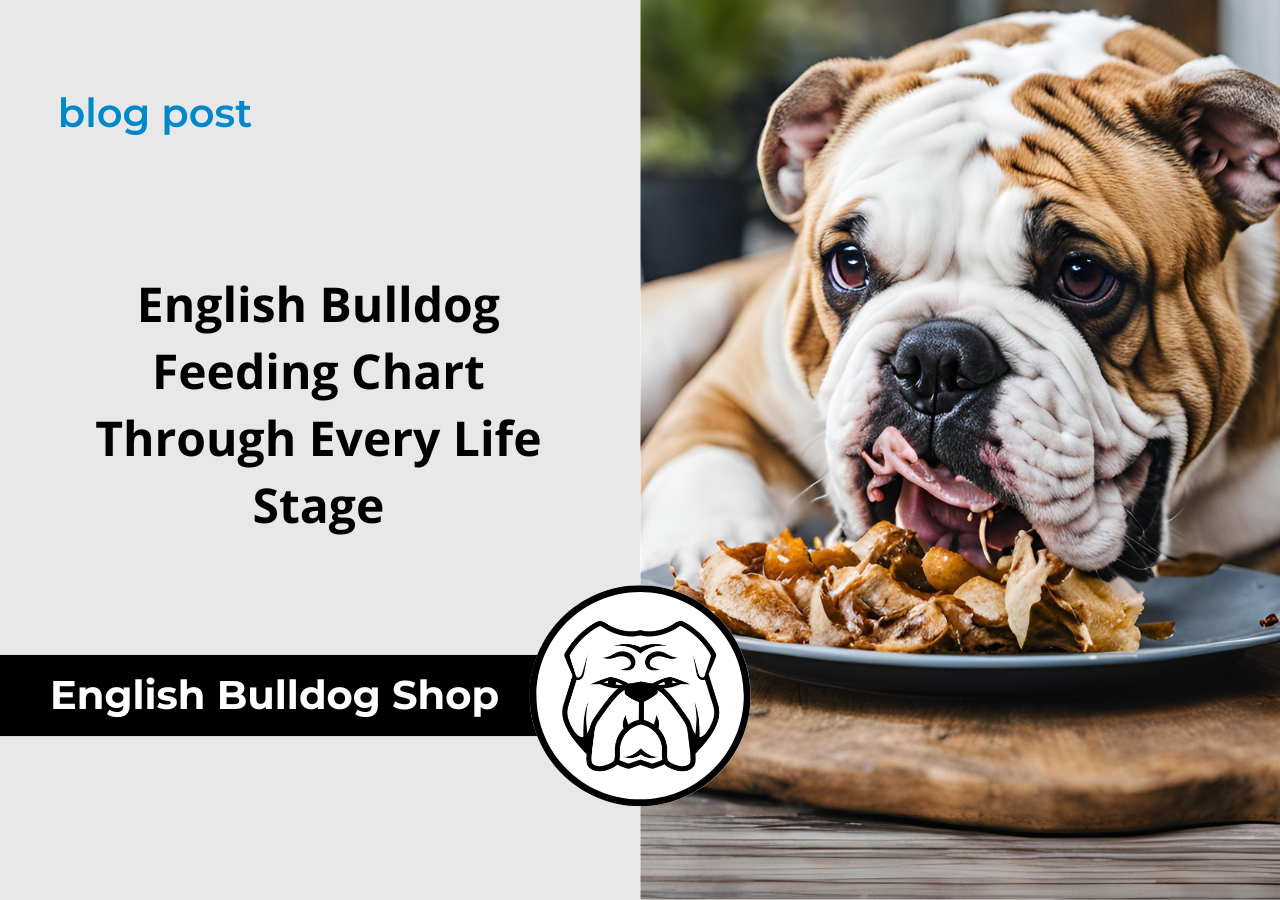
With their wrinkly faces, stocky build, and sweet personalities, English Bulldogs deserve the very best care, starting with their diet. Feeding your Bulldog the right amount and type of food is crucial for their health, especially since this breed is prone to obesity and certain health issues. That’s why this guide will introduce you to the English bulldog feeding chart through different life stages.

English Bulldog Feeding Chart: How to Feed Through Life Stages
English Bulldogs have unique nutritional needs at each stage of life. Here’s how you can ensure your pup gets the best care, from the puppy phase to their golden years.
1. English Bulldog Feeding Chart: Puppy Stage
When your Bulldog is a puppy, they’re growing at lightning speed, and their diet needs to support that. Puppies require more calories and nutrients than adult Bulldogs because they’re building muscle, bones, and energy reserves.
- How much to feed: English Bulldog puppies need about 3-4 meals per day to keep their energy stable. During this stage, puppies need plenty of energy to stay active and to develop properly.
- Portion size: Depending on the brand of dog food and the puppy’s weight, you’ll want to feed 1.5–2 cups of food daily, divided into the 3-4 meals.
- Type of food: Look for puppy-specific formulas that are high in protein and healthy fats. This helps with growth and development.
Tip: Be careful not to overfeed – even as puppies, Bulldogs are prone to weight gain, which can lead to joint issues later in life.

2. English Bulldog Feeding Chart: Adult Stage
Once your English Bulldog is around 12 months old, it transitions to adult food. Its growth slows down, and its caloric needs decrease. Maintaining a healthy weight is the goal at this stage since Bulldogs are naturally stocky but shouldn’t be overweight.
- How much to feed: Most adult Bulldogs need 2 meals per day to avoid bloating and indigestion.
- Portion size: Typically, an adult Bulldog will eat around 2–3 cups of food per day, depending on their activity level and size.
- Type of food: Choose a high-quality dog food with moderate protein and fat content. Bulldogs aren’t overly active, so they don’t need as much protein as working breeds like Belgian Malinois.
Key Tip: Monitor their weight closely. Bulldogs can gain weight quickly if overfed or given too many treats. Stick to their feeding schedule and avoid table scraps.
3. English Bulldog Feeding Chart: Senior Stage
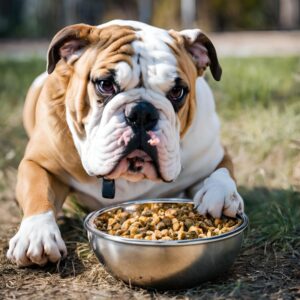
As your Bulldog enters their senior years (around 7 years old), their metabolism slows down, and their activity levels often decrease. Adjusting their diet accordingly is essential to avoid unnecessary weight gain and health issues like arthritis or diabetes.
- How much to feed: Stick to 2 meals per day, but adjust portion sizes if they’re less active.
- Portion size: Senior Bulldogs usually need 1.5–2.5 cups of food per day, depending on their size and activity level.
- Type of food: Opt for senior-specific dog food with fewer calories, added joint supplements (like glucosamine), and higher fiber content for digestion.
Tip: Hydration is key for older Bulldogs, so always ensure they have access to fresh water. Wet food can also help if they’re not drinking enough.
Why an English Bulldog Feeding Chart Matters
Consistency is key when feeding Bulldogs. They thrive on routine, so feed them at the same times each day.
- Puppies: 3-4 times a day
- Adults: 2 times a day (morning and evening)
- Seniors: 2 times a day (adjust portions as needed)
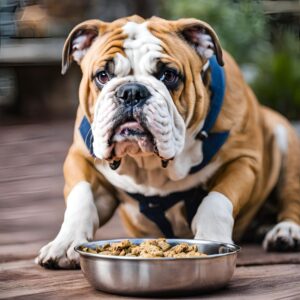
What Does a Bulldog Eat?
Feeding your Bulldog the right diet is crucial for their health, energy levels, and overall well-being. Bulldogs are a unique breed with specific dietary needs, so understanding the advantages and disadvantages of different food options is essential. Below, we’ll explore the most common types of food for Bulldogs – raw diets, dry kibble, homemade meals, and wet food – to help you make the best choice for your wrinkly friend.
1. Raw Diet for Bulldogs
A raw diet, often referred to as BARF (Biologically Appropriate Raw Food), consists of raw meat, bones, vegetables, and fruits. It’s designed to mimic the natural diet of dogs in the wild.
Advantages:
- High nutritional value: Raw diets are rich in protein and essential nutrients, supporting muscle growth and energy.
- Improved coat and skin: Many owners report shinier coats and healthier skin due to the natural fats in raw food.
- Better digestion: Dogs often digest raw food more easily, resulting in smaller, firmer stools.
Disadvantages:
- Risk of contamination: Raw food can contain harmful bacteria like Salmonella or E. coli if not handled or stored properly.
- Time-consuming: Preparing and balancing a raw diet takes time and effort.
- Not always balanced: It’s easy to unintentionally miss vital nutrients, leading to deficiencies.
Is it good for Bulldogs? Raw diets can be great for Bulldogs if properly prepared, but they require meticulous planning and close attention to hygiene.
2. Dry Kibble for Bulldogs
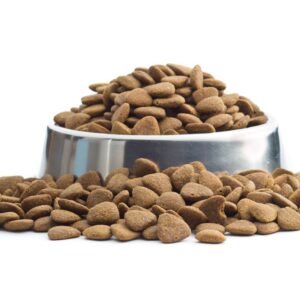
Dry kibble is one of the most popular choices for feeding Bulldogs. It’s convenient, affordable, and widely available.
Advantages:
- Convenience: Kibble is easy to store, measure, and serve, making it ideal for busy owners.
- Dental health: The crunchy texture can help reduce plaque and tartar buildup on teeth.
- Nutritionally balanced: High-quality kibble is formulated with the right mix of protein, fats, vitamins, and minerals.
Disadvantages:
- Low moisture content: Bulldogs can be prone to dehydration, and kibble doesn’t provide any additional hydration.
- Quality variation: Not all kibble is created equal. Cheaper brands may contain fillers, artificial additives, or low-quality ingredients.
Is it good for Bulldogs? Yes, as long as you choose a premium brand that uses high-quality ingredients and avoids fillers like corn or soy. Look for options tailored to medium-sized, low-activity breeds like Bulldogs.
3. Homemade Meals for Bulldogs
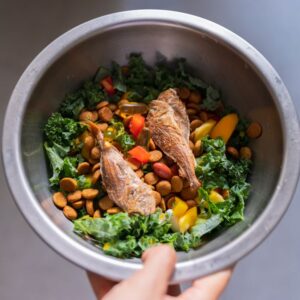
Homemade meals allow you to control exactly what goes into your Bulldog’s bowl, which can be especially beneficial for dogs with allergies or sensitivities.
Advantages:
- Customizable: You can tailor meals to your Bulldog’s specific dietary needs and preferences.
- Fresh ingredients: Homemade food often includes fresh, wholesome ingredients without preservatives.
- Avoids allergens: If your Bulldog has food allergies, you can easily eliminate problematic ingredients.
Disadvantages:
- Time-intensive: Preparing balanced homemade meals requires a lot of time and effort.
- Nutritional imbalance: Without proper guidance, it’s easy to miss critical nutrients like calcium, phosphorus, or certain vitamins.
- Short shelf life: Homemade meals need to be prepared frequently to ensure freshness.
Is it good for Bulldogs? Homemade food can be an excellent option if you’re willing to invest the time and consult a vet or pet nutritionist to ensure balanced meals.
4. Wet Food for Bulldogs
Wet food, or canned food, is a soft and moist alternative to kibble. It’s often rich in flavor and easier to eat, especially for older Bulldogs or those with dental issues.
Advantages:
- High moisture content: Wet food helps with hydration, which is especially important for Bulldogs.
- Tasty and appealing: Most dogs love the texture and smell of wet food.
- Easy to chew: Great for Bulldogs with dental problems or senior dogs with weaker teeth.
Disadvantages:
- Short shelf life: Once opened, wet food needs to be refrigerated and used quickly.
- Expensive: Feeding wet food exclusively can be significantly more expensive than kibble.
- Can lead to dental issues: Wet food doesn’t provide the same teeth-cleaning benefits as kibble.
Is it good for Bulldogs? Wet food is a good choice for Bulldogs who struggle with hydration or dental issues, but it’s best used as a supplement to dry kibble rather than the sole diet.
What’s the Best Option for Your Bulldog?
The best diet for your Bulldog depends on their specific needs, age, and lifestyle. Many owners find that a combination of dry kibble and wet food works well, providing the balance of nutrition and convenience. Raw diets and homemade meals are excellent alternatives but require more effort and guidance.
Quick Tips:
- Always consult your vet before switching to a new diet, especially raw or homemade.
- Choose food specifically formulated for Bulldogs or medium-sized breeds with moderate activity levels.
- Keep an eye on your Bulldog’s weight and adjust portions as needed to avoid obesity.
Your Go-To English Bulldog Feeding Chart
Feeding an English Bulldog isn’t just about filling their bowl – it’s about giving them the nutrients they need to thrive. By tailoring their diet to their age, size, and activity level, you can ensure they stay happy and healthy for years to come.
Having a reliable English Bulldog feeding chart is one of the best ways to care for your furry friend. Whether you’re raising a playful puppy, an easygoing adult, or a senior snuggle-buddy, following these guidelines will help you make the right decisions for their diet.
READ ALSO:





 English Bulldog Jackets & Coats
 English Bulldog Hoodies
 English Bulldog Sweaters
 English Bulldog Life Jackets
 English Bulldog Costumes
 English Bulldog Shirts