

English Bulldog Potty Training: A 7-Day Success Plan

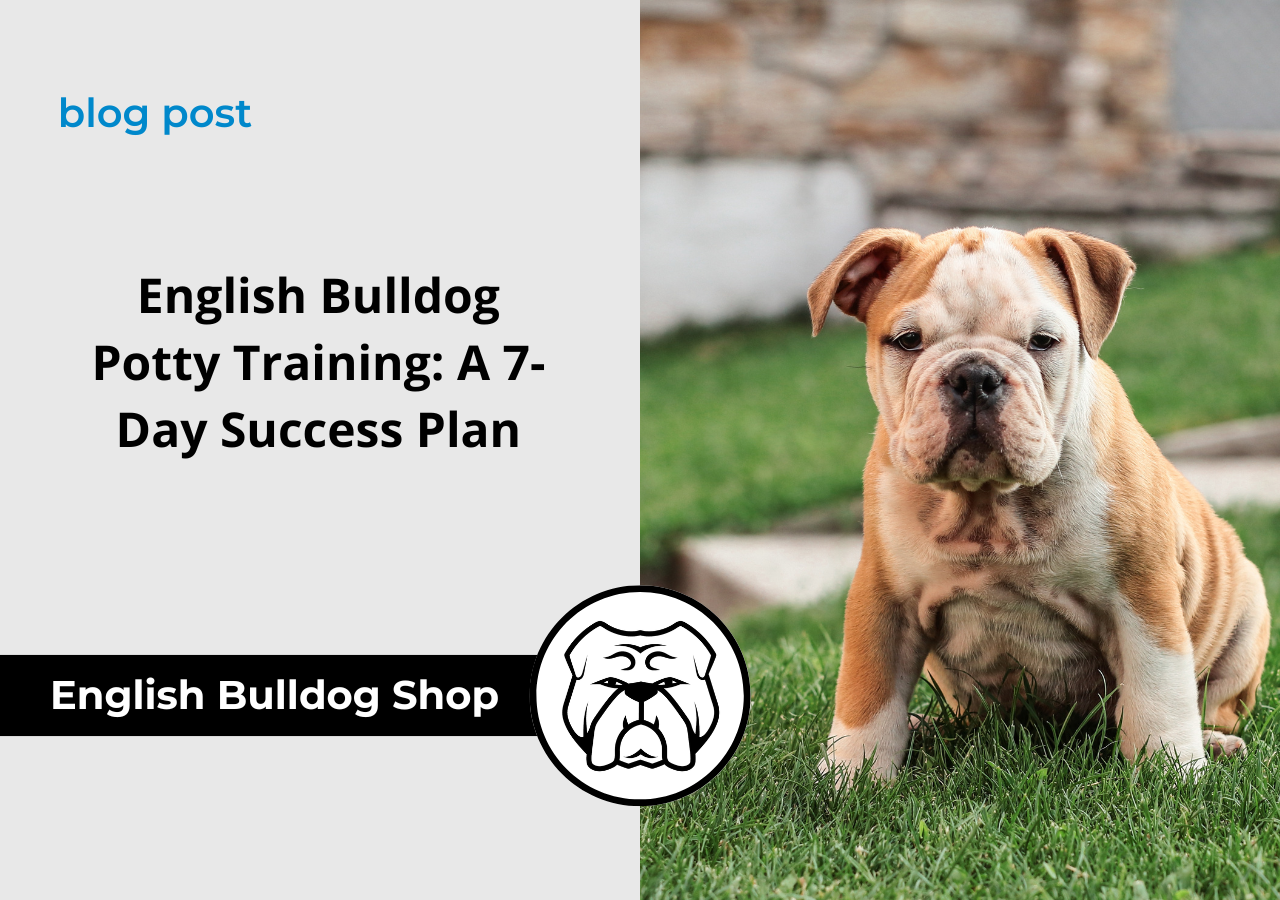
Bringing home a new English bulldog puppy is exciting – and soon you’ll be asking, how do I potty train this little guy? You might even be googling how to potty train a bulldog or how to potty train an English bulldog in just a week. English bulldogs training works best when you start early and stay consistent with routines. With the right plan and positive reinforcement, you can have your bulldog puppy on track in days.
This guide will walk you through how to train a bulldog, covering both indoor and outdoor potty methods. We’ll set up a schedule and cover the basics (no fancy products needed), and celebrate every success. By the end of the week, your puppy should be well on the way to being house-trained. Training English bulldog puppies can be slower than with some breeds, but whether you’re training one puppy or multiple bulldog puppies, consistent love and rewards bring results.
 Understanding Your Bulldog Puppy
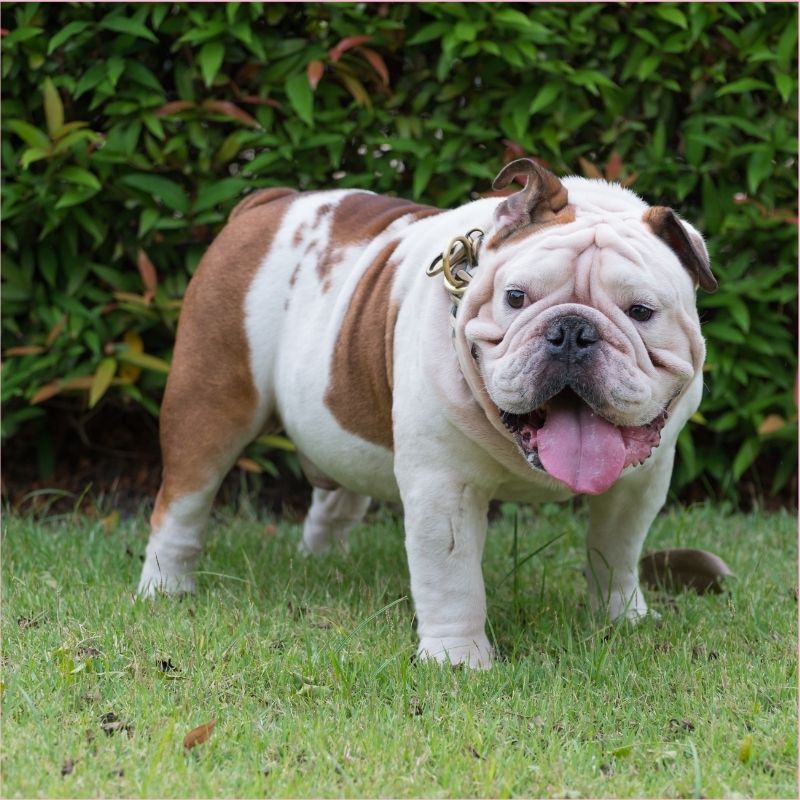
English bulldogs can be as stubborn as they are lovable. They have a “look at me” personality and sometimes prefer doing things on their own schedule. Their short legs and broad chest mean they might need more frequent potty breaks than you’d expect.
Also, English bulldogs have flat faces which can make it harder for them to hold their bladder for long hours. All these breed traits mean your puppy will need a reliable potty routine.
House training an English bulldog (same as potty training) comes down to routine and praise. Bulldogs learn best when they know what to expect. Feed them at the same times each day and take them out regularly.
Set a consistent feeding/water schedule so their bathroom needs become predictable. Crate training plays a big role too: since bulldogs hate potty accidents near their sleeping area, a crate teaches them bladder control naturally. The crate should be just big enough to stand up, turn around, and lie down – not a palatial cage. This gentle structure sets your puppy up for success.
Now, let’s get into the practical tips. Below you’ll find both indoor and outdoor strategies, plus a day-by-day plan so you always know what to do next.
English Bulldog Potty Training: Supplies and Setup
You don’t need to buy the latest gadget, but a few supplies make life easier:
- Crate or Playpen: Use a properly sized crate with an adjustable divider. Dogs avoid soiling their sleeping area, so the crate helps them hold it. Crate training early is a game-changer for potty training a bulldog puppy. Make sure their crate is the place where they feel safe and calm. In case you need to leave your bulldog for a few hours alone, make sure you leave several toys inside. In that way, your gremlin will stay occupied and less prone to potty issues.
- Puppy Pads or Training Mat: For indoor potty, puppy pads or mats are handy. Put them in one spot consistently; the familiar smell tells your puppy, “This is the potty spot.” Do not change the place of the potty pad once you put it.
- Enzymatic Cleaner: Have an enzymatic cleaner ready. If an accident happens, clean it thoroughly. The cleaner removes odors so your bulldog won’t mark the same spot again.
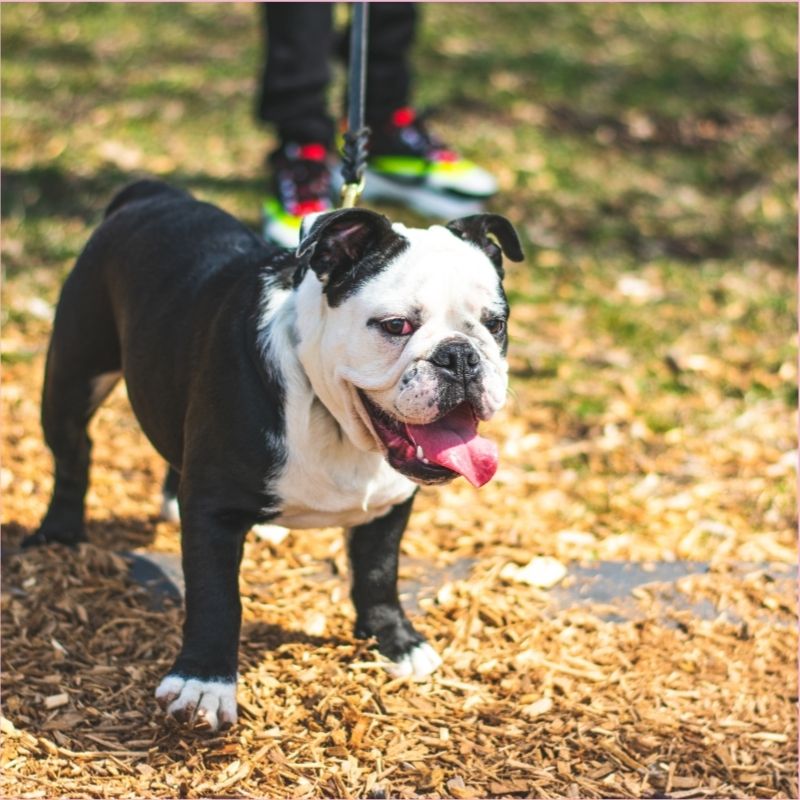
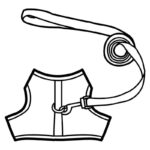
- Leash: Use a leash for each potty break, even if you have a fenced yard. It keeps your pup focused and lets you guide them to the right spot.
- Treats and Praise: Keep tasty treats on hand. Immediate praise and a treat when your puppy goes in the right spot make training bulldog puppies faster.
Pick your potty spot now: one outdoor location (and/or one indoor area). Consistency helps your pup learn where to “go potty.”
Indoor English Bulldog Potty Training Tips
Sometimes you’ll need indoor options (bad weather or a late-night emergency). Here’s how to make it work smoothly:
- Crate Training: Crate your puppy whenever you can’t supervise. Dogs instinctively avoid peeing where they sleep, so a crate teaches bladder control. Ensure the crate is the right size, and only let them out to potty or play.
- Supervision: When your pup is free in the house, watch for sniffing or circling. At the first sign they need to go, take them to the pad or outside immediately. Quick action helps prevent accidents.
- Puppy Pad Routine: Place the pad in a quiet corner. After meals or naps, set your puppy on it and praise and treat the moment they go. This builds a strong habit that the pad is the bathroom.
- Use a Cue: Choose a command like “Go potty” and say it each time you head to the potty area. Your puppy will start linking the cue with the action and learn to “go potty” on command.
- Clean Up Right: If an accident happens, clean it thoroughly with your enzymatic cleaner to remove all odors. Never scold your puppy afterward – it confuses them. A quick, calm cleanup teaches them nothing but a clean floor.
- Gradual Freedom: As your pup gets better, give more supervised freedom (add one room at a time). If accidents start again, go back to stricter confinement until they’re ready. The goal is slowly relaxing the rules once they get it.
Indoor training often bridges to outdoor training. Many owners use pads at first, then gradually move the routine outside. Having both methods in your toolbox means fewer accidents overall.
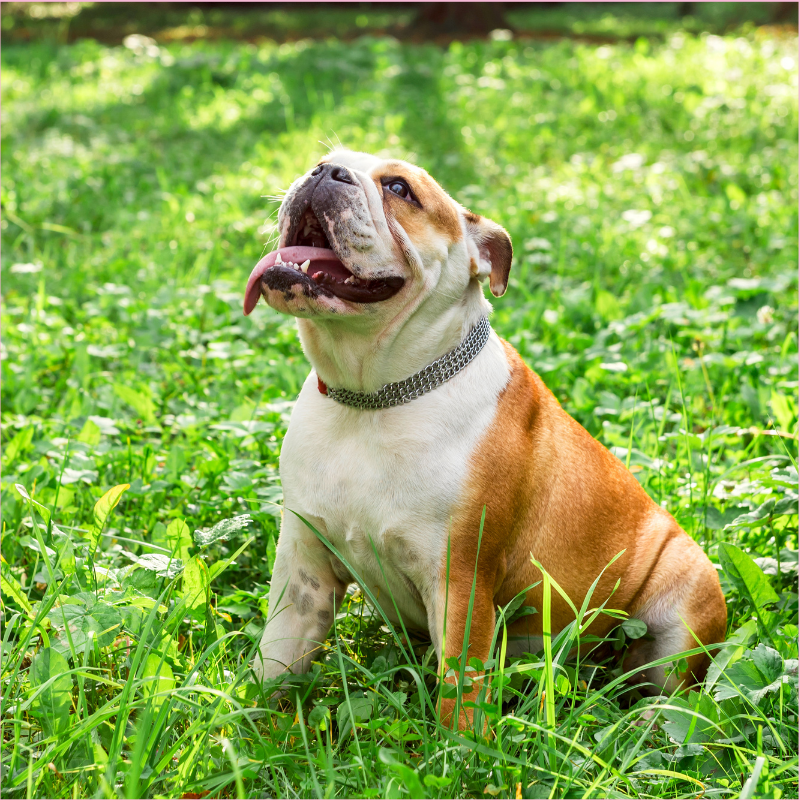
Outdoor English Bulldog Potty Training Tips
Outdoor potty training means fresh air (for both of you) and usually fewer messes. Here’s how to make outside training click:
- Consistent Spot: Always take your pup to the same place outside. The familiar scent tells them, “This is where we do our business.” Keep them on the ground at that one spot until they go.
- Leash Discipline: Keep them on leash until they go. Walk them to the spot and stand quietly (no playtime yet). Wait patiently. If they wander off, gently bring them back to the potty area.
- Regular Schedule: Take them out first thing, after meals and play, and before bed. Also schedule breaks about every 2 hours during the day. Puppies have tiny bladders, especially young bulldogs.
- Praise Immediately: The moment they potty outside, celebrate! A big “Good potty!” with enthusiastic pets and a treat teaches them that outside is where the fun (and rewards) happen.
- Avoid Distractions: Make potty breaks strictly business. If your puppy tends to chase things, keep the trip short. Go straight to the spot, help them settle, and then come back inside once they go.
- Weather: Bulldogs hate extremes. In cold weather, consider a dog sweater; in heat, go early or late. Keep outings brief if it’s very hot or cold. If your pup hesitates due to weather, try carrying them to the spot or wait with them patiently until they go. With outdoor training, persistence is key. Your puppy will slowly learn that outside means go. Before long, they’ll hold it until you get to the yard.
7-Day English Bulldog Potty Training Plan
Ready for your daily checklist? Here’s a flexible 7-day outline. Each day builds on the last, and by day 7 you should see big improvements:
Day 1: Lay the Groundwork
Introduce the crate and designate potty spots. Start the routine: feed, then take your puppy out about 15–30 minutes later. Do this after every small meal or drink. Praise every success and clean up calmly after any accidents. It’s all new to them.
Day 2: Stick to Routine
Continue with regular trips – first thing in the morning, after meals and play, and before bedtime – plus breaks every 2 hours. Watch for sniffing or circling. Remove water about 1 hour before bed to reduce midnight accidents. Keep praising every time they go in the right spot.
Day 3: Add a Cue
Start using a command like “Go potty” whenever your puppy goes. Keep the same schedule and rewards. By now your pup may start holding it longer. If no accidents are happening, you can try extending the time between trips by about 15 minutes or so.
Day 4: Test Crate Control
Check how many hours your pup sleeps through the night in the crate. Let them out for supervised play during the day, but stick to the potty schedule. If they’re doing well, you might extend crate time by an extra hour. Praise them for any night or morning success!
Day 5: Phase Out Accidents
If your puppy is consistently going outside or on the pad, start phasing out pads: move the pad closer to the door or remove it completely. Keep rewarding every outdoor potty enthusiastically. Your puppy may now hold it for 3–4 hours at a time.
Day 6: Give More Freedom
Give your puppy a bit more free roam under supervision (one extra room at a time). Keep the feeding and potty schedule strict. If they do well, they’ll start telling you when they need to go. Routine is still key.
Day 7: Look at Progress
By now, you should see big improvements: your puppy knows the routine and cues. A few accidents may happen, and that’s okay. Maintain your schedule and rewards, and house training will soon be second nature. Note that every puppy learns at its own pace. Stick to your plan, stay consistent, and you’ll see success soon.
Dealing with Accidents and Stubborn Moments
Some days won’t be perfect, and that’s totally normal. When accidents happen, here’s how to handle them:
- Don’t Punish: Never rub their nose in it or yell after the fact. Puppies don’t connect punishment with earlier accidents, and it only teaches fear. Stay calm.
- Interrupt Quickly: If you catch your bulldog puppy in the act indoors, use a firm but gentle “Uh-oh!” and immediately carry them outside to finish. Praise them if they go outside.
- Clean Thoroughly: Clean accidents with your enzymatic spray so there’s no leftover scent. Bulldogs have sensitive noses – if they smell pee, they’ll come back. A clean floor helps break the accident cycle.
- Handle Stubbornness: English bulldogs have attitudes! If yours digs in its paws and refuses to go out, stay patient. You might sit quietly with them in the potty spot or carry them there. When they finally go, lavish praise and treats to show it’s worth their while.
- Nighttime Issues: Young puppies often need a midnight break until they’re about 4-6 months old. If your puppy can’t make it through, set an alarm and take them out. In the morning, put them straight back to bed after they go. The key is not to get discouraged. Every accident is a learning opportunity – for both of you.
Additional Tips on English Bulldog Potty Training
- Keep a Log: Writing down each potty break and accident can reveal patterns. For example, maybe your pup always pees after that morning romp. If you notice a pattern, adjust your schedule accordingly.
- Use Consistent Language: Everyone in the family should use the same potty cue word (like “potty” or “go pee”). Don’t confuse your puppy with multiple names for the same command. English bulldog potty training should not be taken for granted. Stick to the same schedule and make sure all family members stay consistent.
- Know the Limits: A rough rule is: puppy’s age in months plus one equals the max hours they can hold it. (E.g., a 2-month-old puppy: about 3 hours.) These are just guidelines. Don’t push them past their comfort.
- Positive Only: Always reward the right behavior immediately. English bulldogs respond well to praise and treats, not punishment. Positive reinforcement makes learning faster and happier for you both.
- Patience is Key: If you get frustrated, take a deep breath. Training takes time. Even after 7 days, keep following the routine – by week two your puppy will only improve further.
- Training Bulldog Puppy: Keep sessions short and upbeat. Bulldogs learn best with consistent, short breaks and lots of praise. If your gremlin seems tired, then you need
- Training a English Bulldog Puppy: Consistency and patience are vital. Stay positive and reward every success to build their confidence. No dog likes to be treated disrespectfully.
Read also: How to Treat Bulldog Infected Wrinkles: Remedies and Care Guide
English Bulldog Potty Training: Conclusion
Potty training an English bulldog puppy in 7 days is an ambitious goal, but it’s absolutely doable if you stay consistent. By following a routine of frequent trips, clear cues, and positive reinforcement, you’ve built a great foundation of good habits. You now have a solid plan on how to train bulldog puppies, indoors or out.
Remember that every bulldog puppy is unique. Some may pick it up in just a few days; others will take more time, and that’s okay. Keep your cool, stay patient, and continue to praise every success. By sticking to the schedule and rewards, house training an English bulldog will become second nature for your pup.
Enjoy the progress and the bonding time. You and your puppy make a great team, so celebrate every victory—big or small. Your bulldog puppy is lucky to have such a caring owner. With a bit of bulldog persistence and your guidance, you’ll have a housebroken puppy before you know it!
READ ALSO:
English Bulldog Entropion: The Eye Problem You Can’t Ignore!




 English Bulldog Jackets & Coats
 English Bulldog Hoodies
 English Bulldog Sweaters
 English Bulldog Life Jackets
 English Bulldog Costumes
 English Bulldog Shirts










One thought on “English Bulldog Potty Training: A 7-Day Success Plan”