
How to Help Your English Bulldog Lose Weight?


Is your English Bulldog looking a bit too round or struggling to keep up on walks? You’re not alone. In fact, over half of dogs in the U.S. are overweight or obese, and Bulldogs are no exception. Bulldogs might be built to be big and sturdy, but extra weight puts strain on their joints and breathing and can even shorten their lifespan. The good news is that with the right mix of diet, exercise, and care, you can help your English Bulldog lose weight and boost their health and happiness.
Recognizing Obesity in Your English Bulldog
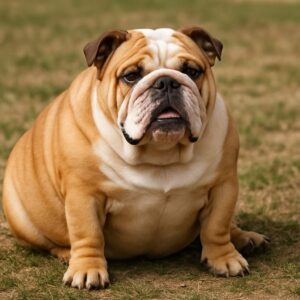
First, how can you tell if your Bulldog is actually overweight or obese? Because Bulldogs are barrel-chested and thick by nature, it’s not always obvious. A healthy Bulldog should be heavy-set yet still have some definition. Most adult English Bulldogs weigh around 50 pounds (males a bit more, females a bit less). So, if your Bully is significantly above that, it could be a clue as well. Here are some signs of an overweight Bulldog:
- No visible waist or “sausage” shape: When viewed from above, a fit Bulldog should have a slight waistline tuck behind the ribs. If your Bully’s body is more oval or sausage-shaped with no waist at all, that’s a red flag. You should also be able to feel their ribs with light pressure. If you can’t feel ribs due to a thick layer of fat, your Bulldog is likely overweight.
- Excessive panting and low stamina: Bulldogs already have short snouts, so they can get winded easily. But an overweight Bulldog will pant heavily after minimal activity. If just walking a block or climbing a few stairs leaves your Bulldog breathless or exhausted, weight could be the culprit. Overweight Bulldogs often have lower energy, preferring to lie around due to the extra burden they’re carrying.
If you notice one or more of these signs, your English Bulldog may be too heavy. In doubt, consult your veterinarian – they can perform a body condition score assessment to confirm if your dog is overweight.
Why a Healthy Weight Matters for Bulldogs
Carrying extra weight isn’t just a cosmetic issue; it has real health consequences for your Bulldog. This breed is prone to certain issues that obesity makes worse:
Joint and mobility problems
English Bulldogs often have orthopedic issues like hip dysplasia or knee problems. Added weight puts stress on joints, often leading to pain or arthritis earlier in life. You might notice an overweight Bulldog moving stiffly or being reluctant to climb stairs.
Breathing difficulties
Bulldogs are a brachycephalic (flat-faced) breed, which means they sometimes snort and struggle with airflow. Obesity exacerbates breathing problems by adding fat around the neck and chest, making airways even more narrow. An obese Bulldog may wheeze or overheat quickly, especially in warm weather.
Heart and metabolic issues
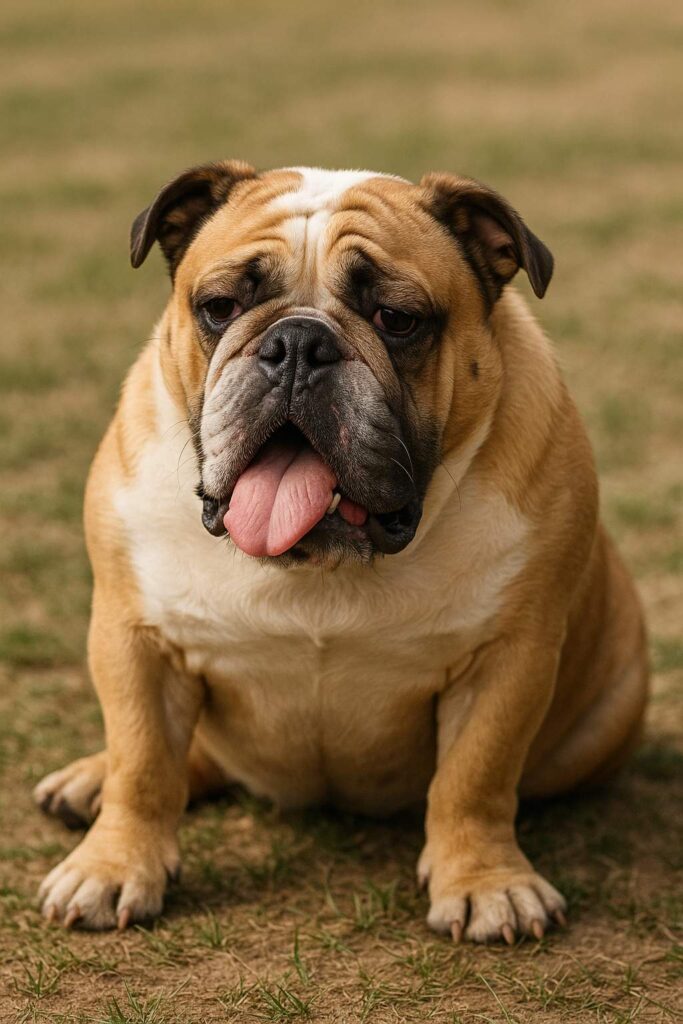
Extra weight forces your Bulldog’s body to work harder. Overweight dogs are at higher risk of heart disease (the heart strains to pump through excess fat) and diabetes (obesity disrupts normal insulin regulation). Excess fat can also weaken the immune system and lead to more skin fold infections in Bulldogs.
All these health issues can ultimately shorten your Bulldog’s lifespan. Simply put, a fit Bulldog is likely to live longer (and happier) than an overweight one.
Tips to Help Your English Bulldog Lose Weight
Helping a Bulldog slim down takes a combination of proper diet and increased activity, approached with patience. Bulldogs can be a bit stubborn and lazy (part of their charm!), but with consistency you can make progress. Here are some effective weight-loss strategies for English Bulldogs:
1. Measure meals and count calories
Weight loss begins at the food bowl – experts estimate that 60–70% of a pet’s weight loss success comes from diet, not exercise. So, start by controlling how much your Bulldog eats. Use a measuring cup or scale to portion out their food, rather than heaping scoops. Many English Bulldogs maintain a healthy weight on roughly 1,000–1,200 calories per day. Split that into two measured meals to keep your Bully satisfied. Avoid “free feeding” or refilling the bowl whenever it’s empty. By precisely measuring, you may realize you were overfeeding before.
2. Limit treats and table scraps
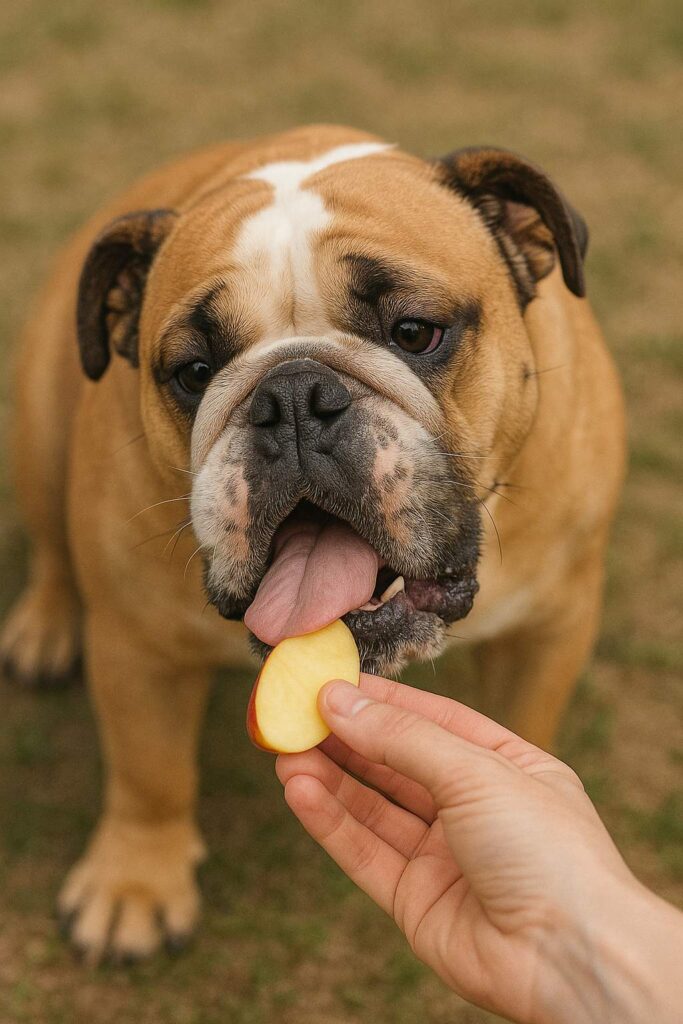
Those pleading Bulldog eyes are hard to resist, but extra treats could be sabotaging your weight-loss efforts. It’s fine to reward your dog, just do it smarter. First, cut out table scraps and human food handouts – many are high in fat and calories (and some foods can be unsafe for dogs). Next, track the treats you give. Treats should make up no more than ~10% of your dog’s daily calories. Opt for low-calorie, healthy treats: many Bulldogs enjoy crunchy veggies or fruits.
Baby carrots, green beans, cucumber slices, or apple slices (no seeds) are great alternatives to commercial treats. You can even reserve a portion of your Bulldog’s kibble to use as training treats throughout the day, so you’re not adding calories. If you use high-value treats, break them into small pieces. By reducing treat calories, you can significantly cut your Bulldog’s overall intake without them even noticing too much.
3. Encourage regular exercise (bulldog-style)
Even though Bulldogs have low endurance, they still need daily activity to burn calories and maintain muscle. Aim for at least 20–30 minutes of exercise per day, adjusted to your dog’s ability. This could be a couple of short walks around the block (even a slow walk helps), a gentle game of fetch in the yard, or even indoor play. Keep exercise low-impact and mindful of your Bulldog’s breathing. Because of their flat faces, Bulldogs can overheat or get winded quickly, so exercise during cooler parts of the day and watch for heavy panting. Consistency is key – a little exercise every day is more effective than one big workout on the weekend.
4. Stick to a routine and monitor progress
Dogs do well with routine, and establishing a consistent feeding and exercise schedule will help your Bulldog adjust to their weight loss plan. Feed at the same times each day and resist giving in to begging outside those times. Monitor your Bulldog’s weight by weighing them every couple of weeks (you can do this at the vet or by having them step on a scale you’re holding them on, then subtract your weight). Gradual weight loss is the goal; slow and steady is much healthier than rapid drops. Keep an eye on their body shape – feeling the ribs again or seeing a slight waist reappear are great signs of progress. Regular vet check-ups are invaluable. Your veterinarian can monitor progress, suggest adjustments, and make sure your Bulldog is losing weight safely.
5. Use Slow-Feeding Bowls for English Bulldogs
Believe it or not, slow-feeding bowls can help your English bulldog lose weight. Unlike traditional dog feeding bowls, this type features a zig-zag addition in the middle. Thanks to that addition, they help your dog eat slowly and make him/her work for their food. Besides, slow-feeding bowls will reduce air swallowing during meals.

Throughout the weight loss journey, remember to be patient and positive. Bulldogs can be stubborn eaters and couch potatoes, so it might take time to see progress. Celebrate small wins – maybe your Bulldog can walk a bit farther now, or needs a tighter notch on their harness. Those are victories! Avoid crash diets or over-exercising an obese dog; slow and steady is much healthier.
Best Low-Calorie Diet for English Bulldogs
Diet is the cornerstone of weight management for your Bulldog. The best low-calorie diet for an English Bulldog is one that reduces calories while still providing all the nutrition your dog needs. Here’s what to look for:
- High in protein, low in fat: Protein helps Bulldogs maintain muscle mass as they lose fat. It also keeps them feeling full longer. Choose a diet that lists a quality animal protein (chicken, turkey, fish, etc.) as the first ingredient. Fat should be on the lower side since it’s calorie-dense.
- High fiber, moderate carbs: Fiber is a weight-loss ally that adds bulk to meals (for example, vegetables like pumpkin or green beans) without many calories. Meanwhile, too many carbohydrates can easily turn into body fat. A quality diet should be moderate in carbs, avoiding excessive fillers like corn or wheat in favor of veggies or legumes.
- Avoid artificial flavors and colors: Bulldogs are great gourmets, however, it’s not a good idea to feed them with commercial dog food brands that are high in artificial flavors and colors. If the dog’s food you’re feeding your pooch features bacon or some other flavor, then it should be an alarming sign. Such dog food brands are low in nutrients and high in flavors.
- Keeps them satisfied: Dogs on a diet might act hungry. Two tricks to help your Bulldog feel satisfied are: (1) divide their daily food into smaller, more frequent meals so they don’t go too long feeling hungry. Also, add volume without many calories: for instance, pour a bit of warm water or low-sodium broth over their kibble to help them feel more full.
- Do not feed your dog with food leftovers: Since English bulldogs quickly gain weight, it’s important not to feed it with your human food leftovers. Our food is high in fat, spices, and other ingredients that can harm your dog’s belly. It’s important to mention that English bulldogs have very sensitive digestive systems and that they are prone to stomach flatulence. So, gasses, and releasing farts is not always your dog’s problem. It can be yours as well.
Hill’s Science Diet Perfect Weight and Purina Pro Plan Weight Management are two trusted choices that fit these criteria.
The bottom line is to choose a diet that your Bulldog enjoys and that helps them steadily lose weight. Your veterinarian can guide you toward a good choice for your individual dog. Don’t forget to adjust the amount you feed as your dog loses weight (their calorie needs will change a bit), and continue to monitor their body condition.
Helping your English Bulldog Lose Weight? Final Thoughts
Helping your English Bulldog lose weight is a gift of health you give to your beloved pet. It requires commitment – saying no to those begging eyes, being disciplined with daily walks, and keeping track of progress – but it pays off with a happier, more energetic Bulldog. Remember to make changes gradually and always involve your vet if you’re unsure about anything. With the right diet, portion control, and a bit of exercise, your Bulldog will slowly shed the extra pounds. Keep up the good work, and give your Bulldog plenty of love (and the occasional carrot stick) along the way. They may not thank you with words, but when you see them breathe easier, move freely, and live a longer life, you’ll know you did the best thing for your best friend!



 English Bulldog Jackets & Coats
 English Bulldog Hoodies
 English Bulldog Sweaters
 English Bulldog Life Jackets
 English Bulldog Costumes
 English Bulldog Shirts