
How Long Do British Bulldogs Live? Lifespan guide for Owners

Every Bulldog parent eventually faces the same question. You’re cuddling with your wrinkly friend, listening to their loud snores, and you wonder: How long do British Bulldogs live? The honest answer is that British Bulldogs live an average of 8 to 10 years. Some lucky Bulldogs stretch into their early teens with excellent care. On the other hand, others may face health challenges that shorten their time with us. This is shorter than the typical 13-year lifespan of other medium-sized breeds, but those years can be filled with love, loyalty, and plenty of couch snuggles.
In this guide, we’ll explore what affects Bulldog longevity, the health issues that impact their lifespan, and practical steps you can take to help your Bulldog live the longest, healthiest life possible.

Understanding the British Bulldog lifespan
Let’s start with what the research actually tells us.
Multiple authoritative sources agree on that 8 to 10 year range. The Bulldog Breed Council UK notes that while the average falls between 8 and 10 years, some Bulldogs live much longer, past 14 years, while others may develop illnesses that reduce their life expectancy. PetMD confirms this range, explaining that the breed’s unique physical traits make them predisposed to various medical concerns.
However, a comprehensive study by the Royal Veterinary College (RVC) VetCompass program found a slightly lower average of 7.2 years based on veterinary records of 1,621 British Bulldogs. This discrepancy likely reflects that the RVC data comes from veterinary visits (potentially including more health-compromised dogs), while breeder and owner reports may skew toward healthier individuals.
Gender differences in lifespan
Research from the RVC study revealed interesting gender variations in health outcomes. Male Bulldogs are more likely to develop skin infections, interdigital cysts, and atopic dermatitis. Females, on the other hand, show higher rates of dental disease and obesity. You know what I am talking about. Females are prone to hormonal disbalance and that doesn’t apply only to humans. Our dogs are prone to that too. These differences don’t necessarily translate to dramatic lifespan variations, but they do suggest different health monitoring priorities based on your Bulldog’s sex.
For a deeper dive into male versus female differences, check out our guide on male vs female English Bulldogs key differences.
When Bulldogs enter their senior years
Bulldogs typically begin showing signs of aging between 5 and 6 years old. This doesn’t mean they’re elderly at this point, but you may notice decreased energy, joint stiffness, or other age-related changes. By age 7, most Bulldogs are considered seniors and benefit from adjusted care routines, more frequent veterinary checkups, and modified exercise programs.
Health issues that impact Bulldog longevity
The British Bulldog’s distinctive appearance, those adorable wrinkles and that pushed-in face, comes with health trade-offs. Understanding these conditions helps you catch problems early and potentially extend your dog’s life.
Brachycephalic Obstructive Airway Syndrome (BOAS)
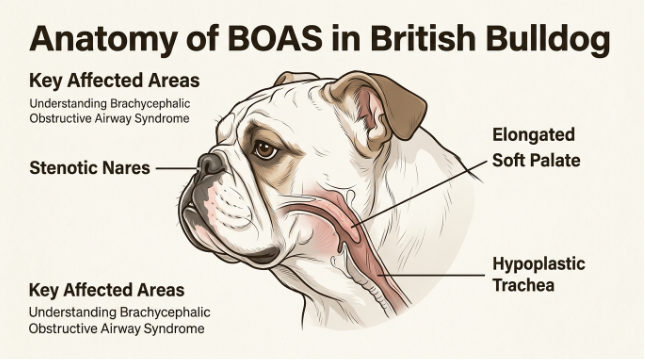
That flat face we love so much creates breathing challenges. BOAS is caused by a combination of anatomical abnormalities: narrowed nose openings, elongated soft palate, extra tissue in the larynx, compressed nasal passages, and sometimes a narrowed trachea. The result is difficulty breathing, chronic discomfort, exercise intolerance, and dangerous overheating.
Alarmingly, the RVC study found that only 3.5% of Bulldogs were diagnosed with BOAS. This suggests many owners consider snoring and heavy breathing “normal” for the breed and don’t seek veterinary evaluation. If your Bulldog struggles to breathe during walks or gets winded easily, consult your vet. Surgical interventions can significantly improve quality of life.
Learn more about managing breathing issues in our article on English Bulldog breathing problems.
Skin and ear conditions
Those signature wrinkles trap moisture, creating perfect conditions for bacterial and yeast growth. Skin fold pyoderma affects 7.8% of Bulldogs, causing irritation, infection, and discomfort. Ear infections are even more prevalent at 12.7%, the highest rate of any condition in the RVC study.
Daily maintenance is non-negotiable. Clean skin folds with unscented wipes, dry thoroughly after baths or rain, and check ears weekly for signs of infection. These simple routines prevent painful conditions that can seriously impact quality of life.
For detailed cleaning guidance, read our complete guide to English Bulldog wrinkles and folds care.
Joint and mobility issues
Hip dysplasia is extremely common in Bulldogs. This genetic condition causes the hip joint to develop improperly, leading to instability and painful arthritis over time. Patellar luxation (slipping kneecaps) affects many Bulldogs as well.
Weight management is crucial here. Every extra pound puts additional stress on already compromised joints. Reputable breeders screen parent dogs for hip dysplasia, so choosing a responsible breeder is your first line of defense.
If your Bulldog shows signs of joint problems, our article on treating hip dysplasia in English Bulldogs offers treatment guidance.
Weight and obesity
The RVC study found that 8.7% of British Bulldogs are obese, and females are more prone to weight gain than males. Obesity isn’t just a cosmetic issue for Bulldogs. It dramatically worsens breathing difficulties, puts excess strain on joints, and increases the risk of diabetes and heart disease.
The challenge is that Bulldogs love food and aren’t naturally athletic. Their build makes exercise difficult, especially in warm weather. This creates a perfect storm for weight gain that requires vigilant management.
Wondering if your Bulldog is carrying extra pounds? Our guide on checking if your English Bulldog is overweight shows you exactly what to look for.
Leading causes of death
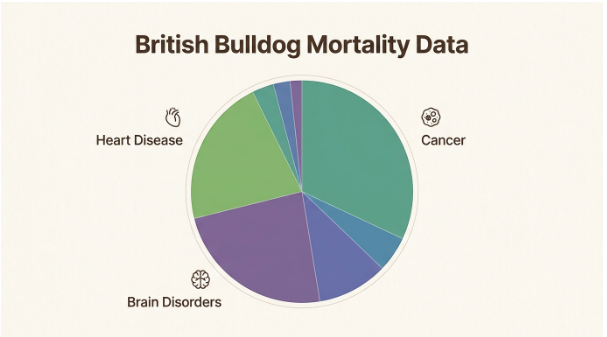
According to the RVC VetCompass study, the most common causes of death in British Bulldogs are:
- Heart disease (11.8% of deaths)
- Cancer (10.9% of deaths)
- Brain disorders (9.1% of deaths)
While you can’t prevent every health issue, regular veterinary care and early detection significantly improve outcomes.
Life stages of a British Bulldog
Understanding your Bulldog’s life stage helps you provide age-appropriate care.
Puppy (0-7 months)
This rapid growth phase sets the foundation for lifelong health. Puppies need quality nutrition, appropriate socialization, and gentle exercise. Short walks on hard surfaces help keep nails trimmed naturally. Don’t over-exercise growing puppies, as this can damage developing joints. For training guidance during this critical period, see our English Bulldog potty training guide.

Adolescence (7 months – 2.5 years)
Training becomes critical during this period. Bulldogs are notoriously stubborn, so patience and consistency are essential. This is when your dog tests boundaries and develops lifelong habits. Continue socializing with other dogs and people to build confidence.
Adult (1-7 years)
Bulldogs reach their full size around 12 months, though some continue filling out for another six months. Adult males typically weigh up to 50 pounds and stand 16 inches tall. Females are smaller, reaching up to 40 pounds and 14 inches in height.
These are the prime years for establishing healthy routines. Maintain consistent exercise, monitor weight carefully, and schedule annual veterinary checkups. Your Bulldog’s personality fully emerges during this period, showcasing that famous loyal, laid-back temperament.
For detailed growth information, see our guide on English Bulldog size and weight through life stages. Also check out our tips on what are the best fruits for English Bulldogs for healthy treat options.
Senior (7+ years)
Once your Bulldog hits 7, they’re officially a senior. This doesn’t mean retirement from fun, but it does mean adjusting expectations. Senior Bulldogs need more frequent veterinary visits (twice yearly instead of annually), modified exercise routines, and potentially senior-formulated nutrition.
Watch for signs of arthritis, dental disease, and vision or hearing changes. Many Bulldogs remain happy and active well into their teens with proper senior care.
Our comprehensive guide to senior Bulldog care covers everything you need to know about this special life stage.
How to help your Bulldog live longer
While genetics play a significant role, your daily choices meaningfully impact your Bulldog’s lifespan and quality of life.
Choose a reputable breeder
If you’re considering a Bulldog puppy, research breeders thoroughly. Responsible breeders health-test parent dogs for hip dysplasia, cardiac issues, and other genetic conditions. They prioritize temperament and health over extreme physical features. Ask for health clearances and meet parent dogs when possible.
Maintain healthy weight
This cannot be overstated. A lean Bulldog breathes easier, moves more comfortably, and avoids diabetes and heart disease. Feed measured portions based on your vet’s recommendations, not the bag’s guidelines (which often overestimate). Split daily food into two meals to prevent bloat and aid digestion.
Avoid table scraps completely. Those pleading eyes are hard to resist, but human food packs unnecessary calories and can trigger allergies.
If your Bulldog needs to slim down, our guide on helping your English Bulldog lose weight provides a safe, effective approach.
Exercise appropriately
Bulldogs need 30 to 40 minutes of daily exercise, split into short sessions. This isn’t marathon training. Several brief, leisurely walks keep them fit without overtaxing their respiratory system.
Critical: Always use a harness instead of a collar. Collars restrict the airway further, making breathing even harder. A well-fitted harness distributes pressure across the chest, protecting that compromised airway.
Avoid exercise during warm weather. Bulldogs overheat quickly due to their breathing limitations. Stick to early morning and evening walks during summer months, and always provide access to shade and water.
Find the perfect fit with our guide on how to pick the right English Bulldog harness.
For more exercise guidance, read about English Bulldog exercise needs through life stages.
Prioritize preventive care
Annual veterinary checkups are the minimum. Senior Bulldogs need twice-yearly visits. These appointments catch problems early when they’re most treatable.
Don’t skip dental care. Bulldogs are prone to dental disease due to their crowded teeth. Brush regularly and schedule professional cleanings as recommended.
Daily skin fold maintenance prevents infections that can become serious. Clean wrinkles with unscented wipes, dry thoroughly, and watch for redness or odor that signals infection. Our English Bulldog wrinkle cleaning wipes are specially formulated for this daily routine.
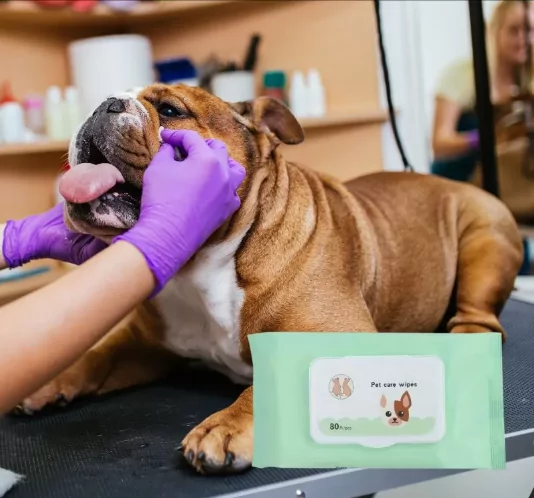
Our English Bulldog grooming routine covers daily maintenance in detail.
Feed quality nutrition
Choose high-quality dog food formulated for your Bulldog’s life stage. Some brands offer breed-specific formulas designed for Bulldogs’ unique needs. Consider adding omega-3 fatty acids for skin and coat health, and joint supplements containing glucosamine as your Bulldog ages. For owners interested in alternative nutrition approaches, our guide on English Bulldog raw diet explores this option in detail.
Slow feeder bowls prevent gulping, which reduces gas and bloat risk. Multiple small meals are better than one large daily feeding.
Products that support a longer, healthier life
At English Bulldog Shop, we understand the unique needs of these special dogs because we’re Bulldog parents too. The right products can genuinely improve your Bulldog’s quality of life and potentially extend their years with you.
Properly fitted harnesses make a tremendous difference for Bulldogs with breathing challenges. Our full body English Bulldog harness is designed specifically for the Bulldog’s barrel chest, providing control without restricting airflow.
Comfortable orthopedic bedding supports aging joints and prevents pressure sores in less active seniors. Our beds use supportive foam that cushions without sinking.
Weather-appropriate apparel isn’t just about looking cute (though that’s a bonus). Lightweight cooling vests help prevent overheating in summer, while insulated jackets protect against cold that can stress a Bulldog’s system.
Skin-friendly materials matter for Bulldogs prone to irritation. Our apparel uses soft, breathable fabrics that won’t aggravate sensitive skin. Don’t forget paw care either. Our natural English Bulldog paw balm protects those precious paws from rough surfaces and harsh weather.
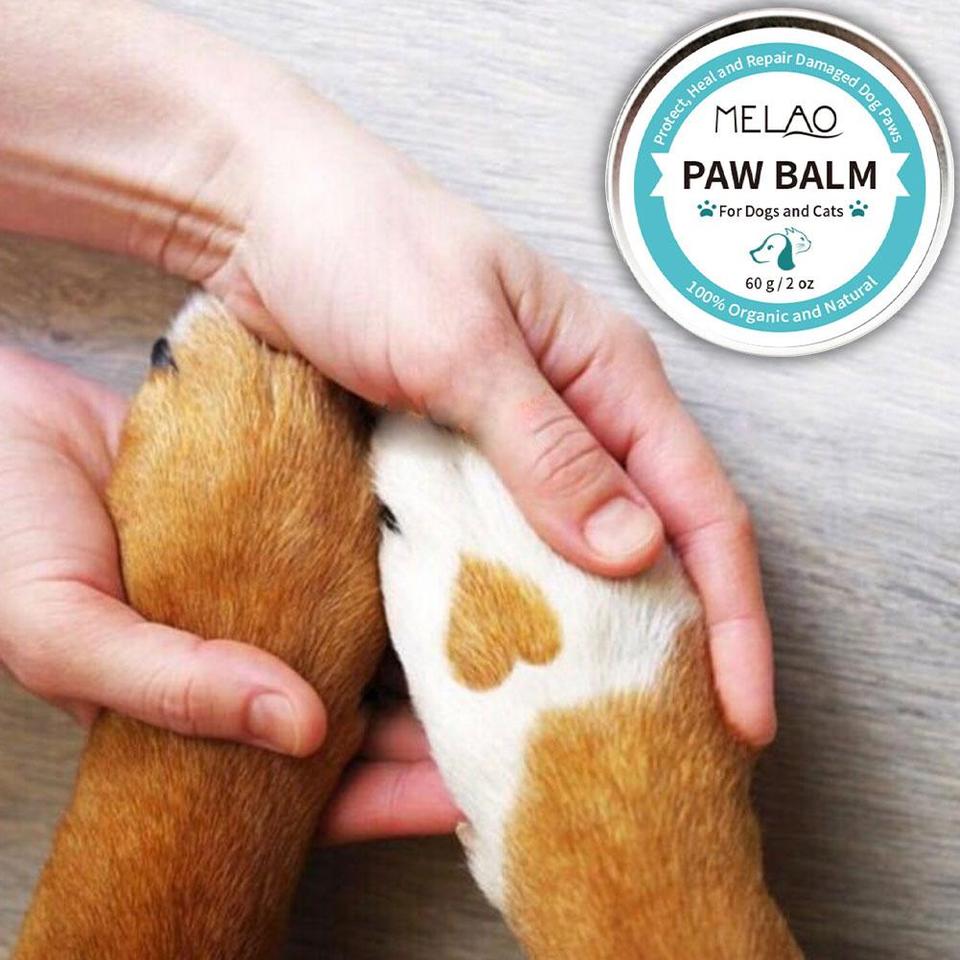
Explore our complete collections:
- Dogwear for breed-specific apparel
- Beds designed for Bulldog comfort
- Jackets and coats for weather protection
- Harnesses and collars that protect the airway
Making every year count with your Bulldog
The British Bulldog’s 8 to 10 year average lifespan may be shorter than we’d like, but focusing solely on the number misses the point. What matters is the quality of those years. A well-cared-for Bulldog with managed health conditions can enjoy a vibrant, happy life well into their teens.
Work closely with your veterinarian to develop a personalized care plan. Monitor your Bulldog’s weight religiously. Keep up with daily maintenance routines. And most importantly, cherish every snort, every wrinkle, and every moment of unconditional love.
At English Bulldog Shop, we’re here to support you and your Bulldog through every life stage. From puppyhood through the senior years, our products are designed with your dog’s unique needs in mind.
Ready to give your Bulldog the best life possible? Browse our shop for health-conscious products designed specifically for Bulldogs.
Frequently Asked Questions
How long do British Bulldogs live on average?
British Bulldogs live an average of 8 to 10 years according to veterinary sources like PetMD and the Bulldog Breed Council UK. However, a Royal Veterinary College study of veterinary records found an average of 7.2 years. With excellent care, some Bulldogs live into their early teens.
Can British Bulldogs live longer than 10 years?
Absolutely. While 8 to 10 years is the average, many Bulldogs live 12 to 14 years with proper care. The key factors are genetics, weight management, regular veterinary care, and addressing health issues early.
What health problems shorten a British Bulldog’s life?
The leading causes of death are heart disease (11.8%), cancer (10.9%), and brain disorders (9.1%). Breathing problems from BOAS, obesity, and unmanaged joint issues also significantly impact lifespan and quality of life.
At what age is a British Bulldog considered senior?
Bulldogs are generally considered seniors at age 7, though signs of aging may appear between 5 and 6 years. Senior Bulldogs benefit from more frequent vet visits, adjusted exercise, and potentially senior-formulated nutrition.
How can I extend my British Bulldog’s lifespan?
Focus on maintaining a healthy weight, using a harness instead of collar for walks, providing appropriate exercise, feeding quality nutrition, keeping up with preventive veterinary care, and performing daily skin fold maintenance. Choosing a reputable breeder who health-tests parent dogs also sets the foundation for a longer life.
Do male or female British Bulldogs live longer?
Research doesn’t show dramatic lifespan differences between male and female Bulldogs. However, males are more prone to skin conditions while females have higher rates of obesity and dental disease. These different health risks require tailored monitoring but don’t necessarily predict lifespan.




 English Bulldog Jackets & Coats
 English Bulldog Hoodies
 English Bulldog Sweaters
 English Bulldog Life Jackets
 English Bulldog Costumes
 English Bulldog Shirts