

Olde English Bulldog vs English Bulldog: What’s the Difference?


If you’re a dog lover and you want to own one of the bulldogs, then you probably want to know the difference between Olde English Bulldog and English bulldog. Since people often mix these two breeds, we decided to reveal the topic Olde English bulldog vs English bulldog.
In this guide, you’ll find out the physical differences between these two breeds and which one makes a better fit for your family.

Is There a Difference Between an English Bulldog and an Old English Bulldog?
So the short answer is yes! While they may look the same to the untrained eye, these breeds have distinct differences. Let’s start with their history.
The English Bulldog, also known as the British Bulldog, originated in England in the 13th century. They were bred for bull-baiting (a cruel sport, thankfully extinct). Over time their aggressive nature was bred out and we have the sweet, couch-loving companions we have today.
The Olde English Bulldogge was bred in the 1970s by David Leavitt. He wanted to recreate the athletic and hardy bulldog of the 18th and 19th centuries. These dogs were used for bull-baiting and needed to be strong, agile and healthy to do their job. Over time the original bulldogs evolved into the modern English Bulldog which is lovable but has a more sedentary nature and lots of health issues.
To achieve his goal, Leavitt crossbred several breeds:
- English Bulldog: For the iconic bulldog appearance and loyal personality.
- American Bulldog: To improve size and athleticism.
- Bullmastiff: For added strength and protective instincts.
- Pit Bull Terrier: To enhance agility and muscular structure.
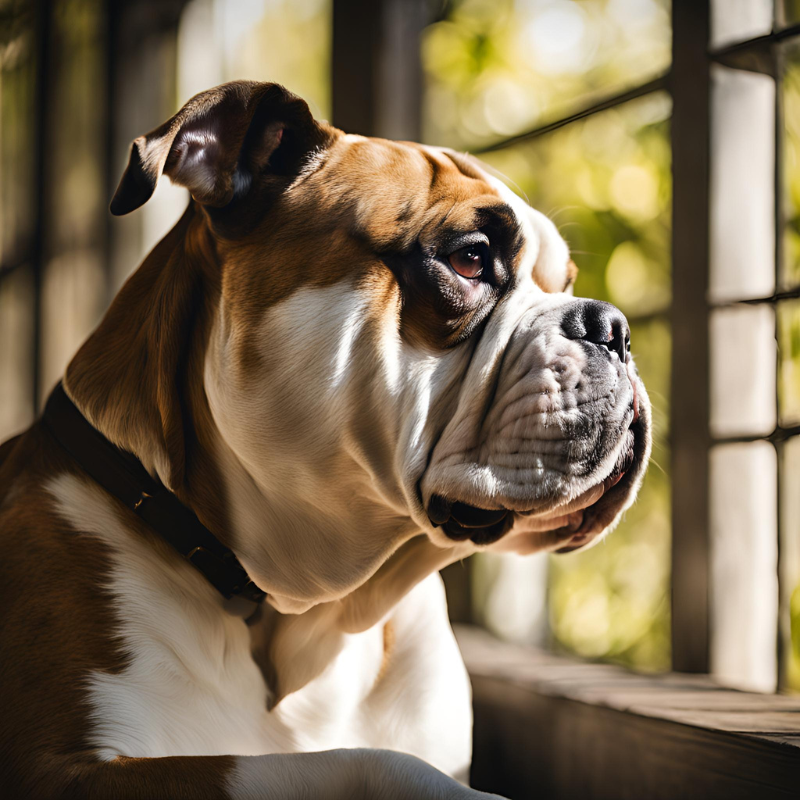
Olde English vs English Bulldog: Physical Differences
When comparing the Olde English Bulldog vs Bulldog, the first thing you’ll notice is their size and build.
English Bulldog
- Size: Smaller and more compact.
- Weight: Around 40-50 lbs for males and 30-40 lbs for females.
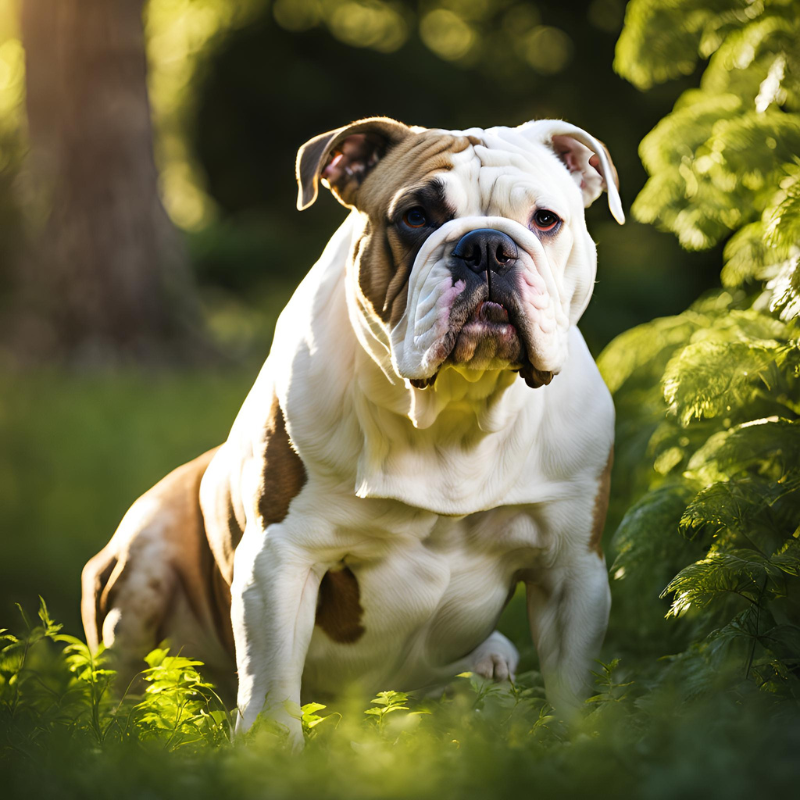
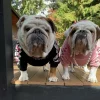
- Appearance: Stocky, with a broad chest and short legs. Their wrinkles and signature underbite are part of their charm.
- Coat Colors: English Bulldogs come in a variety of colors, including brindle, white, fawn, piebald, and red.
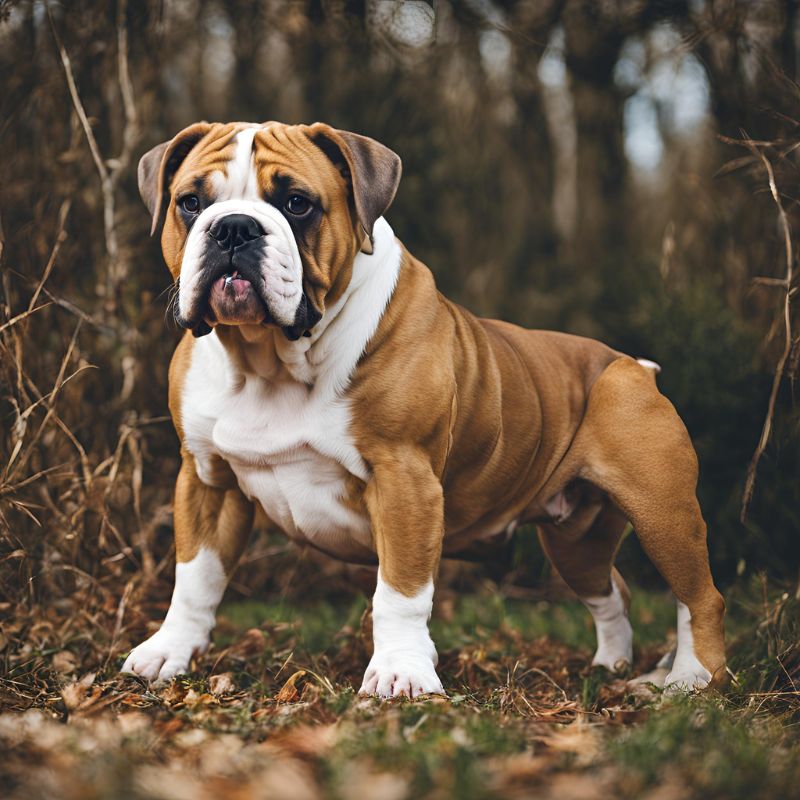
Olde English Bulldogge
- Size: Bigger and more proportionate than the English Bulldog. Males 60-80 pounds, females 50-70 pounds.
- Head Shape: Broad and square with a noticeable underbite but not as extreme as modern English Bulldogs.
- Muzzle: Longer and more functional. Less prone to brachycephalic syndrome, narrow nostrils and elongated soft palate like other bulldog breeds.
- Appearance: Taller with more muscle. Fewer wrinkles and longer muzzle. They look more balanced.
- Coat Colors: Brindle, white, black, fawn, blue like the English.
In short, they are two different dogs. One small and cute, the other big and athletic.
Temperament: Olde English Bulldog VS English Bulldog
One of the main reasons people choose between these breeds is their personality. Both are great companions, but there are subtle differences.
English Bulldog
- Personality: Gentle, affectionate, and a bit lazy. English Bulldogs are perfect for families who want a low-energy dog.
- With Kids: They are excellent with children. Their patience and calm demeanor make them a reliable family pet.
- Activity Level: Couch potato alert! These pups are happy lounging around and enjoy short walks.
Olde English Bulldogge
- Personality: Loyal, playful, and protective. They are more energetic than English Bulldogs, making them a great choice for active families.
- With Kids: Fantastic with kids but slightly more protective, which can be a plus if you want a guard dog that’s still family-friendly.
- Activity Level: They need regular exercise to stay happy and healthy. A fenced yard and daily walks are ideal.
So, when it comes to the English Bulldog vs Olde English, your lifestyle and activity level will play a big role in choosing the right breed.
Olde English Bulldog Vs English Bulldog: Health Issues
Here’s where it gets good. Unfortunately English Bulldogs are notorious for health issues. Their flat faces (brachycephalic structure) make breathing hard in hot weather. They’re prone to skin infections, hip dysplasia and weight gain.
The Olde English Bulldogge was designed to be a healthier version of the traditional bulldog. With a longer muzzle and athletic build they have fewer respiratory issues and less joint problems.
But both breeds need regular vet visits, healthy food and moderate exercise. If health is a big priority the Old English Bulldog vs English Bulldog debate often tips in favour of the Olde English.
Here we listed the most common health issues that can occur in these breeds.
English Bulldog: Health Issues
The English Bulldog, with its flat face, stout body and wrinkles, has several health issues due to its physical structure and genetics:
1. Brachycephalic Syndrome (Breathing Problems)
- Because of their short noses and flat faces, English Bulldogs have breathing problems.
- They snore, wheeze or have trouble breathing especially in hot or humid weather.
2. Skin and Wrinkle Infections
- Their wrinkles trap moisture, dirt, and bacteria and can cause skin infections like dermatitis.
- Clean and dry wrinkles regularly.
3. Joint and Bone Problems
- Hip Dysplasia: A genetic condition that affects the hip joint and causes arthritis and mobility issues.
- Elbow Dysplasia: Same as hip dysplasia but affects the elbows and causes pain and lameness.
4. Heat Intolerance
- English Bulldogs can’t regulate their body temperature due to their flat faces and low endurance. They are highly susceptible to heatstroke.
5. Obesity
- They love to lounge and eat and are prone to weight gain which can worsen other health issues like joint problems and heart disease.
6. Cherry Eye
- This occurs when the gland in their third eyelid prolapses and forms a red bump. Surgery is usually needed to correct it.
7. Heart Problems
- English Bulldogs can have heart conditions like valve disease or arrhythmias.
Olde English Bulldogge: Health Issues
The Olde English Bulldogge was bred to avoid many of the genetic health issues of the English Bulldog. While they are healthier overall they’re not 100% healthy:
1. Joint and Bone Issues
- Hip and Elbow Dysplasia: Less common than English Bulldogs but can still occur.
- Arthritis: Olde English Bulldogges may develop joint pain as they age especially if they’re overweight.
2. Bloating (Gastric Dilatation-Volvulus)
- Like many deep chested dogs they are at risk of bloating, a life threatening condition where the stomach twists and traps gas.
3. Skin Allergies
- They can be allergic to food and environmental factors that cause itching, redness and irritation.
4. Respiratory Issues
- They have longer muzzles than English Bulldogs but some Olde English Bulldogges may still have mild breathing problems especially in hot weather.
5. Eye Problems
- Cherry eye and entropion (where the eyelid rolls inward) can occur but less common than English Bulldogs.
6. Thyroid Disorders
- Hypothyroidism where the thyroid doesn’t produce enough hormones can cause weight gain, lethargy and coat issues.
How Are They Different from Modern Bulldogs?
Unlike the shorter, stockier, and more sedentary English Bulldog, the Olde English Bulldogge is:
Athletic and Agile: Capable of running, jumping, and engaging in more intense activities.
Less Wrinkled: Their skin folds are less pronounced, which lowers the risk of infections. As we all know, English bulldog’s folds can become very smelly in warmer months and become infected.
Healthier Overall: They are less prone to breathing problems, heat intolerance, and other common bulldog ailments.
Olde English Bulldog Vs English Bulldog: Coat Colors and Grooming
Bulldogs, in general, are low-maintenance when it comes to grooming, but let’s talk specifics:
English Bulldog
- Coat Type: Short and smooth.
- Colors: Brindle, white, fawn, piebald, and red.
- Grooming Needs: Regular brushing to remove loose hair and cleaning between their wrinkles to prevent infections.
Olde English Bulldogge
- Coat Type: Also short and smooth but slightly denser.
- Colors: Brindle, white, black, fawn, blue, and combinations.
- Grooming Needs: Similar to the English Bulldog, but fewer wrinkles mean less cleaning.
Whether you’re drawn to the Olde English vs English Bulldog, their low grooming needs make them a joy for dog owners who don’t want to spend hours brushing.
Olde English Bulldog Vs English Bulldogs: Are They Good for Kids?
As someone who grew up with an English Bulldog, I can confidently say these breeds are amazing with kids! My childhood dog was the ultimate companion—gentle, patient, and always up for a cuddle. Let’s see how the two breeds stack up:
English Bulldog
- Known for their docile and easygoing nature, they’re a top pick for families.
- They’re not overly active, so they’re less likely to overwhelm young children.
Olde English Bulldogge
- Their playful energy makes them a hit with older kids who can match their enthusiasm.
- While protective, they’re still gentle and loving, making them safe around children.

Olde English bulldog vs English bulldogs: Who is more aggressive?
When it comes to aggression in the Olde English Bulldog vs English Bulldog debate, neither breed is aggressive. Both are sweet and loyal but there are differences in temperament based on history and breeding.
If we compare these two breeds, we can say that Olde English bulldogs a stronger protective instinct. However, it doesn’t mean that they are aggressive. It means that they are watchful. They’re loyal to their families and will alert you if they sense a threat
While English bulldogs are more easy going, Olde English bulldogs are more playful and active. These dogs are active and love to interact with their families which makes them great for kids and adults alike.
The Olde English Bulldogge may seem tougher because of their athletic build but aggression isn’t common unless provoked or they feel their family is in danger. Proper socialization will keep them friendly and approachable.
Old English Bulldog vs British Bulldog: Clearing Up the Confusion
Here’s a quick clarification: The terms “English Bulldog” and “British Bulldog” are used interchangeably. So, if you hear someone mention a British Bulldog, they’re likely referring to the classic English Bulldog. The real distinction is between the Old English Bulldog vs Bulldog, as we’ve discussed.

Which Breed Is Right for You?
So you’re torn between the Olde English Bulldog vs English Bulldog? Here’s what you need to consider:
- Lifestyle: If you want a low-energy snuggle buddy, the English Bulldog is your guy. If you want a playful active companion the Olde English Bulldogge is the way to go.
- Health: The Olde English Bulldogge has a clear advantage with its healthier build and fewer genetic issues.
- Kids: Both breeds are great with kids but the English Bulldog is better for quieter households and the Olde English Bulldogge thrives in active families.
Olde English Bulldog VS English Bulldog: Wrapping Up
Whether you love the wrinkles of an English Bulldog or the athleticism of an Olde English Bulldogge, one thing is for sure: they are both loving companions. By knowing the differences you’ll be better equipped to pick the perfect pup for your home.
In the battle of Old English Bulldog vs Bulldog, the winner is up to you. But no matter which one you choose, your life will be filled with sloppy kisses,and endless love.
Do you have a bulldog at home? Share your experiences in the comments below!




 English Bulldog Jackets & Coats
 English Bulldog Hoodies
 English Bulldog Sweaters
 English Bulldog Life Jackets
 English Bulldog Costumes
 English Bulldog Shirts










We have a half English half old English. He has a phlegm problem sometimes. What can we do